Clemens Kohlbacher
Company formation
Forming a US LLC: Benefits, Process & Costs (Guide)
US LLC formations are enjoying ever-increasing popularity. But how sensible or advantageous is this legal form really, and how do you implement it?
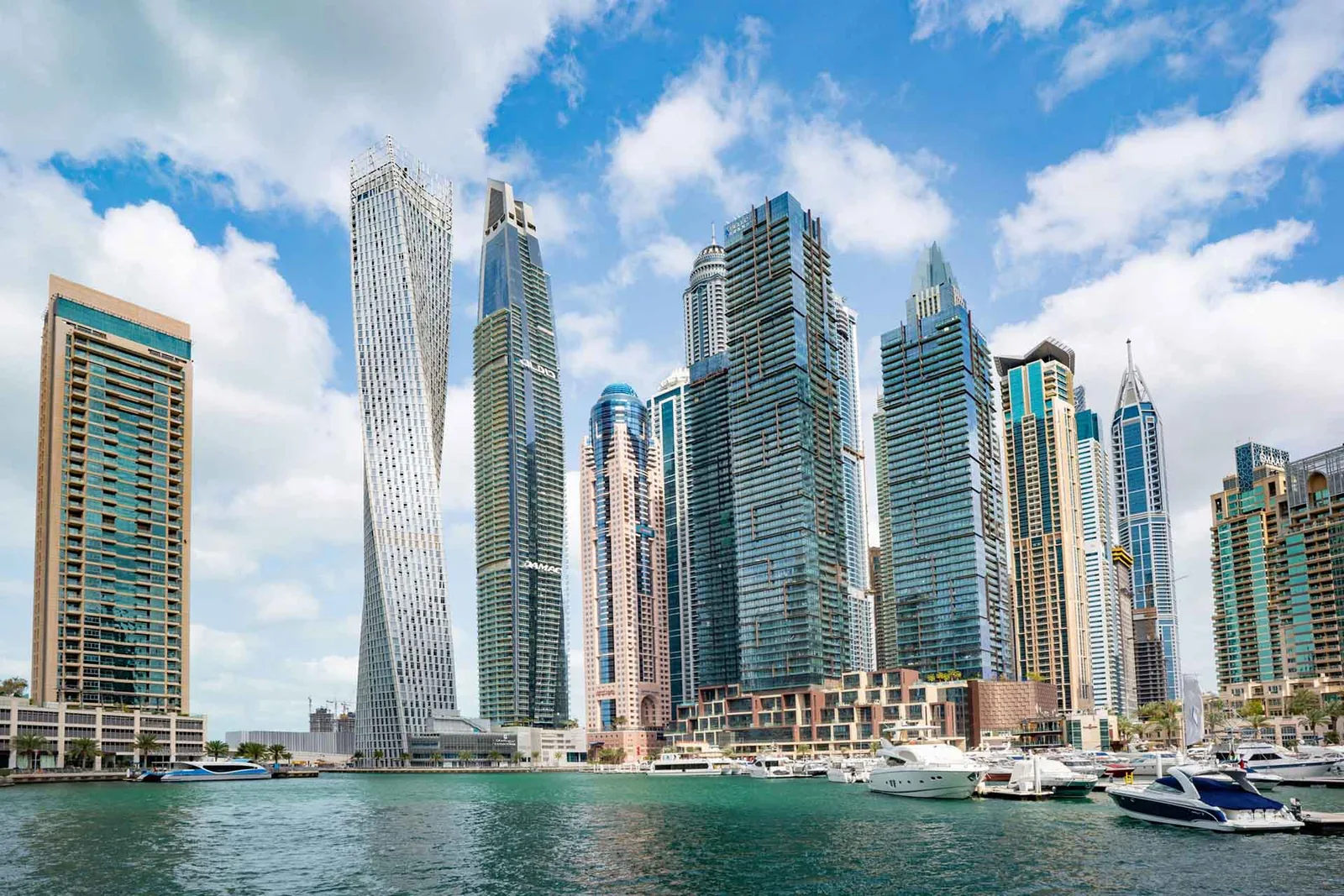
The UAE is one of the most attractive locations for entrepreneurs from all over the world and also offers a high quality of life, making it a popular country for expats.
Opening a company in Dubai is for many the easiest way to get a visa for the Emigrating to Dubai to obtain and significantly reduce the tax burden. In this comprehensive guide, you will learn everything about starting a business in Dubai, ranging from requirements and procedures to costs and ongoing compliance.

Dubai is not only a place of extremes, but also a serious global economic player. The city combines modern infrastructure, economic stability, and an advantageous geographical location. Here are a few reasons why Dubai is particularly attractive for entrepreneurs:
Dubai acts as a bridge between the emerging markets of the East and the established markets of the West. This strategic location makes it a major logistics and trade hub.
Dubai has proven to be resilient to global economic fluctuations through its impressive economic stability and the diversification of its economic sectors. Rapid political decisions promise innovation and legal certainty for long-term entrepreneurial decisions.
The UAE and Dubai offer exceptionally attractive conditions for companies and entrepreneurs Tax benefits.
As a general rule at the private level, no taxes are levied on salaries, dividends, capital gains (including crypto profits), or rental income. Thus, as a private individual, one is largely tax-exempt.
Companies based in Dubai generally pay no tax on revenue up to 3,000,000 AED (750,000€) due to the Small Business Relief. Companies exceeding this threshold pay 9% corporate income tax on their profits. However, there is also a tax-free allowance of approximately 3,750,000 (just under 100,000€), which is not subject to tax. Combined with a salary, this means that several hundred thousand euros can be paid out tax-free.
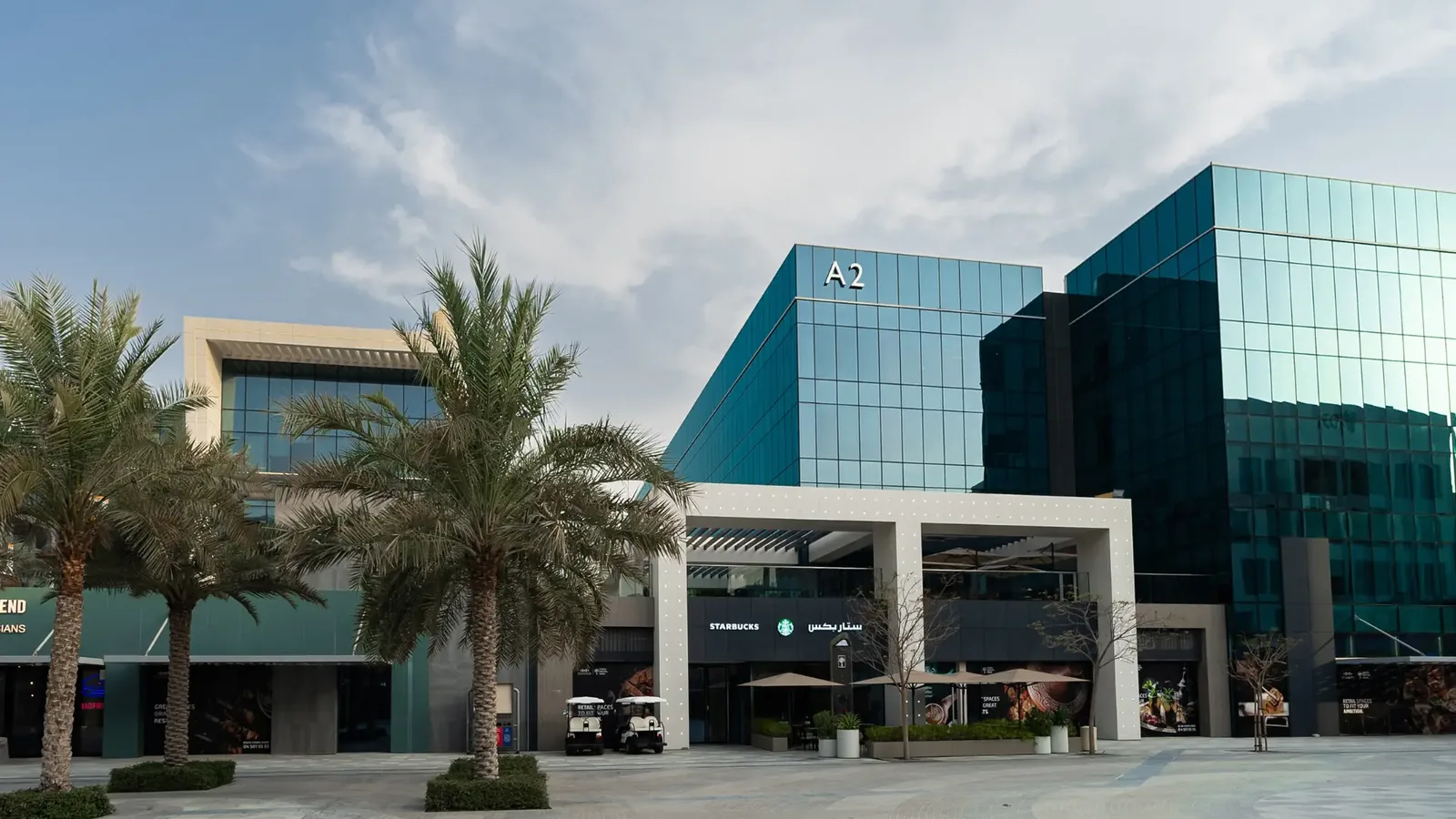
Dubai or the UAE offers a great banking environment, which is not in every tax-free country is the case. The major banks are partly state-backed and offer stable, secure, and convenient banking, both for individuals and for businesses. Banks in Dubai like FAB, Mashreq, or ADCB, are highly recommended.
Due to the tax advantages, quick setup, and good infrastructure, companies in Dubai are definitely one of the most sought-after setups in the field of Offshore companies.
In principle, there are no legal requirements for starting a company in Dubai. Most licenses are free, meaning unregulated. Only some licenses for specialized activities (doctors, lawyers, pilots, etc.) require regulatory approval from the authority. More on that later.
Otherwise, anyone who does not have at least a serious legal record in the UAE can set up a company in Dubai.
Generally, there are a few things you need to understand before you can start a business in Dubai. Let's take a look at each point.
Before setting up, you must decide whether you want to operate in a Free Zone, on the Mainland, or Offshore. Depending on your requirements, both options have their own advantages and specific characteristics.
If you want your company to be owned by 100%, you should Establishing a company in a Dubai Freezone select. The concept of free trade zones was introduced by the Dubai government to attract foreign interest in establishing businesses in the city. Essentially, these are special economic zones where entrepreneurs can enjoy full property rights, a corporate income tax rate of 9 % (for companies in the UAE with profits of 375,000 AED or more) and a personal income tax rate of 0 %.
However, one of the most important limitations of operating a business in a free zone is that you are not allowed to trade directly with the local UAE market. However, there are exceptions for certain services.
Currently, there are over 30 free zones in Dubai. As a rule, each free zone is tailored to a specific industry and offers licenses to companies within those categories. Here are some examples:
The LLC is one of the most common legal forms and offers a balanced mix of flexibility and limited liability. This option is particularly suitable for small and medium-sized enterprises that operate businesses in Dubai (mainly selling products) and also have customers here.
Mainland companies generally enjoy a higher reputation, obtain bank accounts more easily, and are allowed to conduct business anywhere (geographically). In addition, there are more licenses available than for free zone companies.
However, this option is significantly more expensive because you have to rent an office. The cheapest „compliance offices“ start at €2,000 per year.
Offshore companies can also be registered in a free zone and enjoy many of the same benefits. However, it is not a substitute for a free zone company. The main difference between a free zone company and an offshore company is their business operations. Offshore companies are allowed to conduct their business activities outside the UAE and not within. In addition, they do not have to deposit a minimum capital prior to incorporation.
However, unlike a company in a free zone, you must have a sponsor who limits your foreign ownership to 49 %.
In addition to choosing an area, you also need to determine the type of license required. The Department of Economic Development (DED) is responsible for issuing licenses, and there are 3 main types that you can apply for:
To set up a business in Dubai that involves trading activities or the buying and selling of goods, you need a commercial license. This license can apply to companies in the fields of import and export, retail, logistics, travel and tourism, general trading, and real estate.
This license type is issued to companies that convert natural materials and resources into end products – manually or by machine. This license applies to companies such as those in textile, metal, and paper manufacturing.
The business license is issued to companies that operate as service providers, tradespeople, or artisans. Examples of companies that apply for this type of license are medical services, beauty salons, and repair services.
The process of setting up a company in Dubai differs clearly depending on whether you choose a company in a free trade zone (free zone company) or a company on the mainland. As mentioned at the beginning, the former is faster, easier, and more cost-effective. However, it is not always suitable for your specific project.
Below is a brief overview of both incorporation options.
The Establishment of a Free Zone company in Dubai comprises eight essential steps.
The first step to starting your business and obtaining a license is to determine the type of your business. Whether you want to start a small business in Dubai or a crypto business in the UAE: There are over 2,100 business activities to choose from, all falling into various groups in the fields of industry, commerce, trades, and tourism. You can find the complete list on the DED website.
As already mentioned, there are over 30 free zones in Dubai to choose from. The nature of your business can have an impact on which free zone you want to settle in. Generally, it makes sense to set up near companies from the same industry.
When choosing your company name, it is important that it complies with the strict naming conventions of the UAE. Names containing offensive expressions, that could be perceived as religiously offensive, or that refer to political groups or the mafia are prohibited. If you name your company after a person, you must prove that this person is a partner or owner of the company (initials or abbreviations are not allowed).
Naming your company can be a complicated process. You can save time and effort by consulting an expert to help you comply with conventions and get your name approved.
Subsequently, the company is established. For this purpose, all necessary information must be submitted to the relevant free zone. Below is an overview of the most important ones:
After these data or documents have been submitted, confirmation by the authority and official registration usually takes one week.

When you have founded the company, you are (usually) employed as the managing director, referred to here as the General Manager. Through this employment, you receive an entry visa via employment. This is absolutely necessary if you want to enter the UAE. A tourist visa is not sufficient for the subsequent step. The visa via employment is usually issued within a week of application.
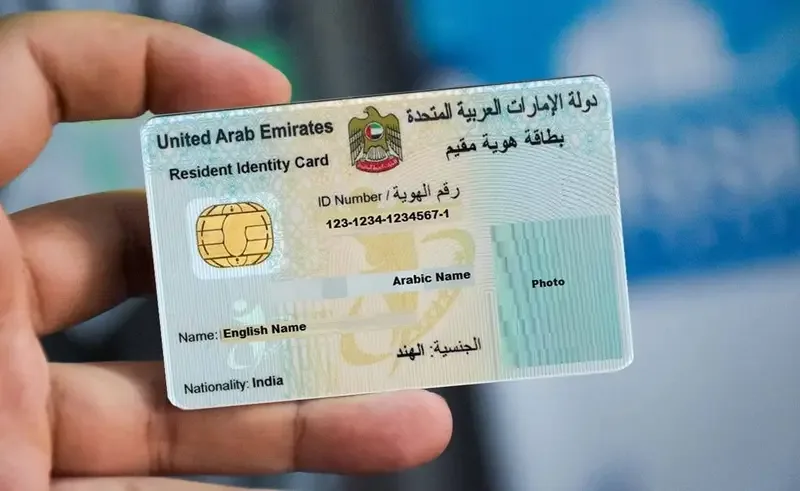
The next decisive step is the application for Emirates ID, the key document to be fully operational in the UAE. The EID is an identification document that enables all economic activities in the UAE. Among these, first and foremost, are
With the Emirates ID, you also receive a document that simultaneously serves as the visa for your stay in Dubai. There are different types, and with standard employment, it applies Visa in Dubai but 2 years.
How do you get the Emirates ID?
The following steps are necessary to get the Emirates ID:
After a few days, you receive the EID by mail.
As soon as the company is founded and you have the Emirates ID, you can accordingly Open a bank account in Dubai. There is a wide range of local and international banks to choose from for this purpose. In addition, there are also FinTechs, which are of interest to smaller companies.

Starting in 2023, companies in Dubai will be required to register with the tax system on an ongoing basis. This also entails maintaining accounting records and potentially paying taxes. After the USD 100,000 profit exemption, a 9% corporate income tax is payable.
The Establishment of a mainland company In Dubai, things are different and generally more complex, as well as more costly. However, for certain projects, it is necessary to choose this legal form.
The first step is similar to the free zone company, you have to choose a license. However, the selection of licenses or business activities is different or more extensive. The complete list can be found at Dubai Economic Department.
As already explained at the beginning, all licenses for local business activities that are not permitted for free zones are included here. In addition, one should know that certain activities, especially in the infrastructure sector, require a local sponsor. These include telecommunications and energy supply, among others.
Next, you have to choose a suitable name that also complies with DED regulations. In practice, the legal form LLC is then added to the name. For example Global Setup LLC.
With the name and the company purpose or the license to be executed, you can submit the documents and apply for the initial confirmation. As soon as this is through and the government approves the company, it continues.
Next, the goal is to draft a Memorandum of Association, or MOA for short, for the company. This legal document governs the distribution of owners or shares, capital, and rights among each other. Afterwards, this must be notarized by a local notary.
Afterwards, it is necessary to rent a physical office. This step is crucial and also a fundamental difference compared to Freezone companies, because a Freezone company can also exist with a virtual office. The office must be physical and lockable. A desk in a coworking space is not sufficient. The cheapest options cost the equivalent of around 2,000 to 3,000 EUR per year. Ultimately, the EJARI certificate is issued for the office, which confirms the rental and legitimizes the company.

Once you have the tenancy contract or the Ejari confirmation, you can submit it along with the MOA and the applied-for license using the pre-approval from step 3. The payment for the licenses and other fees is also due at this point.
All further steps regarding the Emirates ID including the visa, bank account opening, and ongoing compliance are the same as for the Freezone company.
The costs for the entire setup vary greatly and depend on the factors mentioned above, such as licenses, free zone, and company structure. However, as a general rule of thumb, setting up a free zone company in Dubai with professional implementation and support typically costs between €8,000 and €10,000. The annual costs then amount to approximately €5,000 for a company with one visa.
For mainland companies, you can expect 13,000 – 15,000 €, depending on the licenses and the number of visas the company is supposed to hold. The annual costs are also higher here than in a free zone and amount to 7,000 – 8,000 €.
The more visas the company supports or sponsors, the more expensive the establishment and annual renewal will be. As a rule, each visa incurs around €1,000 in additional costs for the company per year.
Starting a company in Dubai, just like in Germany, Austria, and Switzerland, is a process that should be well thought out. However, if you have a clear goal, know what you want, and have a professional local contact to handle the process, it only takes a few days. For a non-binding initial consultation regarding Company formation in Dubai please feel free to contact us.

For over ten years, Clemens has been advising entrepreneurs, investors and families on international company formation, tax strategy and relocation of residency. His focus: legal, bank-compliant structures that hold up in practice, not just on paper.
Articles by Clemens
US LLC formations are enjoying ever-increasing popularity. But how sensible or advantageous is this legal form really, and how do you implement it?

More and more entrepreneurs want a Start a company in Dubai . However, a simple company in a free zone is often not enough, and a mainland company must be established in Dubai.
Dubai has over 30 different free zones where you can set up a company. But which free zone is the best for starting a business, what is the process like, and how much does such a company formation actually cost?
Schedule a 30-minute conversation with a senior consultant. We answer your questions and work out the best path to your goals.