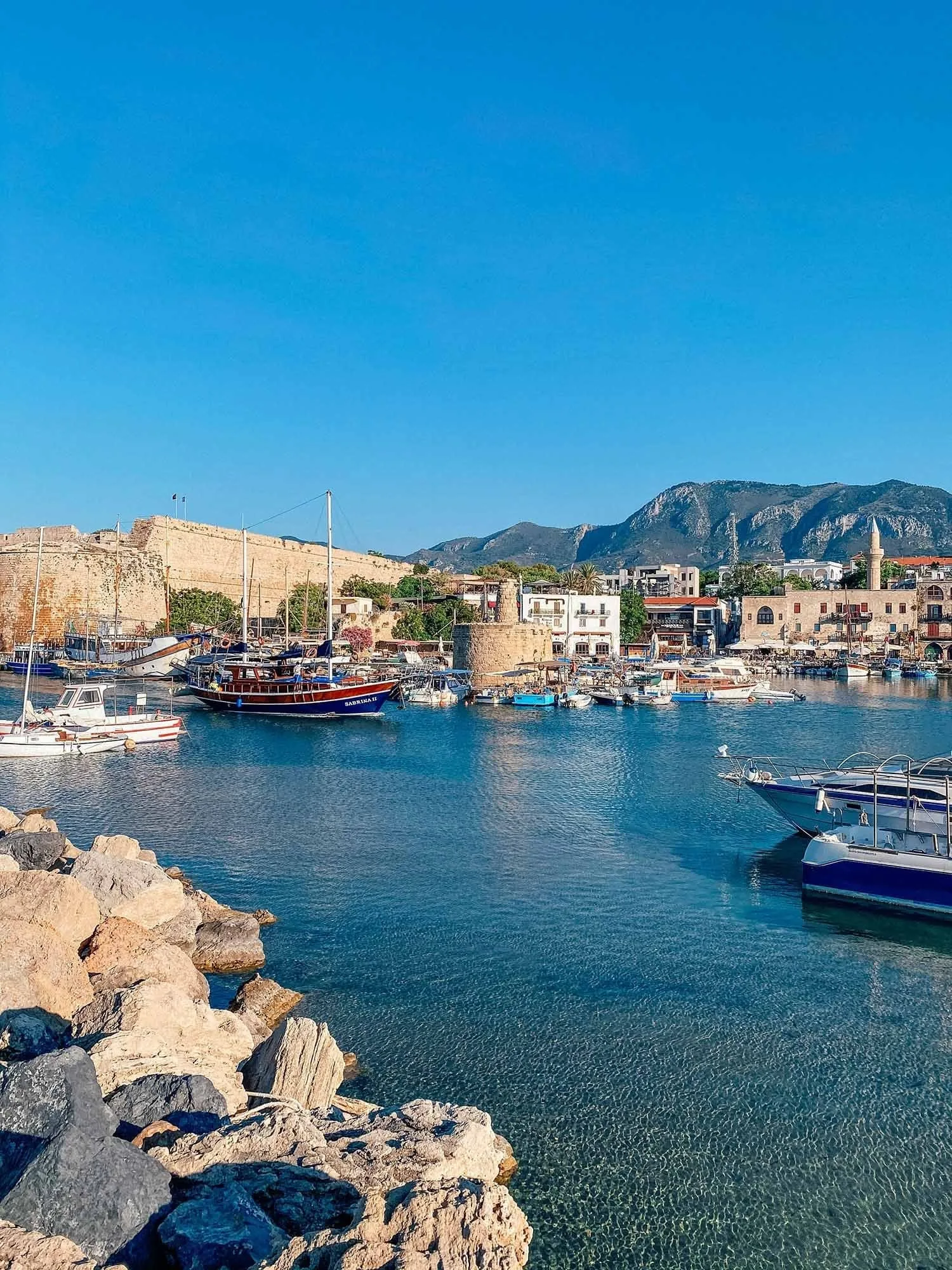
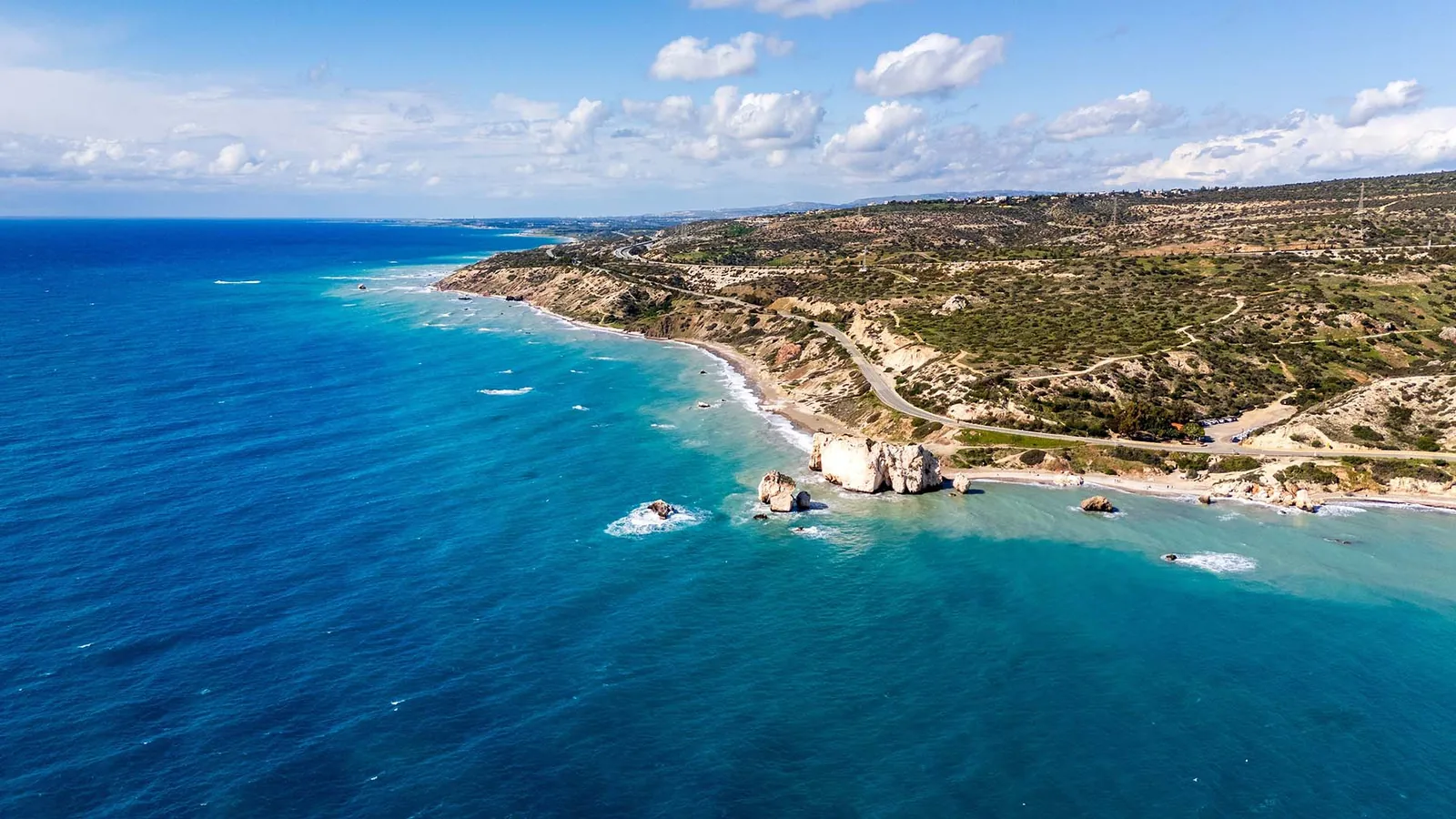
Escape everyday life, slow down, and benefit from tax advantages at the same time—more and more people are drawn to Cyprus. The Mediterranean island captivates with over 300 days of sunshine a year, a relaxed way of life, and attractive conditions for entrepreneurs, retirees, and digital nomads. But anyone toying with the idea of making Cyprus their new home should not let themselves be guided solely by the sun and sea. Behind the dream of island life also lie bureaucratic requirements, cultural differences, and practical challenges. This article provides a comprehensive overview of the prerequisites, advantages, and potential hurdles of emigrating to Cyprus.
Prerequisites
The requirements for emigrating to Cyprus depend on whether you come from an EU member state or a third country. As an EU citizen (e.g., from Germany or Austria), the process is comparatively straightforward. Here are the most important points you should know:
1. Freedom of movement for EU citizens: As a citizen of an EU country, you can enter Cyprus without a visa and initially stay there freely for up to 90 days.
2. Registration for a long-term stay: If you want to live in Cyprus for more than 90 days, you must officially register with the immigration authorities. For this, you need the so-called MEU1-Form (also known as „Yellow Slip“). This is the residence permit for EU citizens.
For this, you generally need:
A valid passport or identity card
A rental or purchase agreement as proof of residence
An employment contract, self-employment, or proof of sufficient financial resources
Valid health insurance
Possibly bank statements or other documents, depending on the individual situation
3. Tax number and bank account: If you want to work, invest, or start a business in Cyprus, you need a tax identification number (Tax Identification Number, short TIN) as well as often a Cypriot bank account.
4. Health insurance: You either need private health insurance or, depending on your occupation or pension status, you can register with the Cypriot health system (GESY).
5. Registration at the municipality: In addition to the residence permit, registering with the local municipal administration is advisable, for example to gain access to certain services.
6. Business formation or employment: If you want to become self-employed, you can set up a business quite easily, especially a so-called Limited (Ltd.). For employees: many jobs, especially in the service sector or tourism, are accessible, but language skills (English or Greek) are often a prerequisite.
Advantages
Emigrating to Cyprus can come with a number of advantages – depending on what you personally and professionally hope to gain from it. Here are some key aspects that represent an incentive for many people:
Taxes
Cyprus is considered one of the most attractive tax havens within the EU. The corporate tax rate is just 15 % (starting in 2026), and there are numerous tax breaks for individuals (0 %), such as for foreign income or dividends. This can be particularly appealing to entrepreneurs, digital nomads, and investors. Starting in 2026, cryptocurrency will also be taxed at just 8%.
The Tax system in Cyprus is great primarily for digital services and products. But dropshippers can also benefit greatly from the Cyprus location.
Pleasant climate and quality of life
With over 300 days of sunshine a year, Cyprus is one of the sunniest places in Europe. The Mediterranean climate, the relaxed way of life, the clean beaches, and the comparatively low crime rate contribute to a high quality of life.
EU member
As Cyprus is part of the European Union, expatriates from other EU member states benefit from freedom of movement, easier access to the labor market, and the recognition of qualifications. Healthcare also meets European standards.
From a tax perspective, this is an advantage for anyone who wants to sell physical products.
Language
English is widespread, both in everyday life and in administration. Many authorities, service providers, and business processes operate bilingually – which greatly facilitates integration, especially for those who do not speak Greek. This is a crucial point that makes emigration significantly easier.
Cheap
Although imported goods are sometimes expensive, many everyday expenses – such as regional food, services, or real estate outside of tourism hotspots – are often cheaper than in Central Europe. Especially when comparing Cyprus with other low-tax countries or popular tax havens like Dubai, Monaco, Singapore, or Switzerland, living there is significantly more affordable.
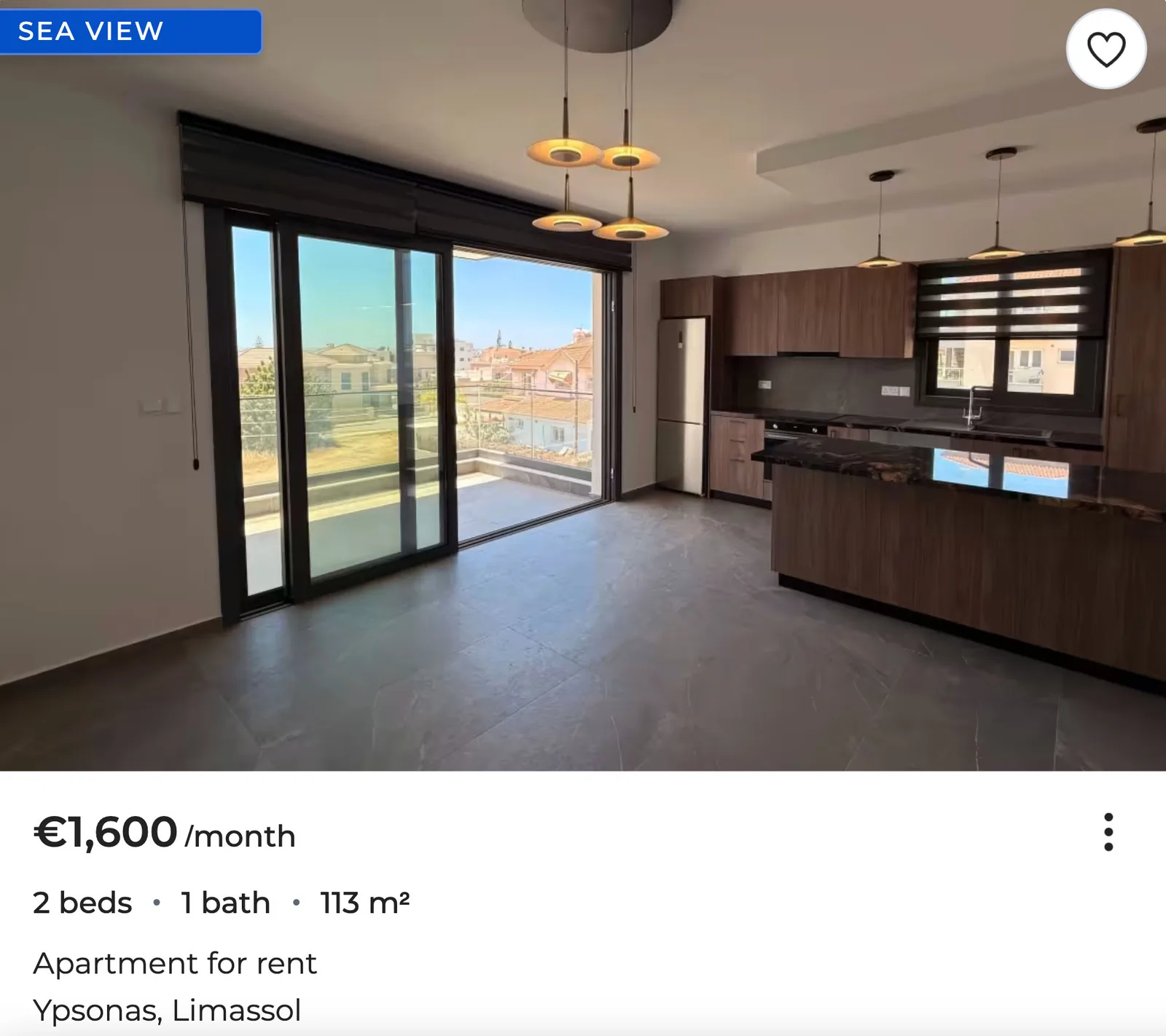
As a rule, for €1,000 to €2,000 you can already get a nice apartment near the beach, and starting from €2,000 you can already get a house with a private garden.
Anyone who also buys local products will spend little money on food. Exotic or imported products are usually more expensive.
All in all, you can live quite well in Cyprus with €3,000.
Safety
Despite the division of the island since 1974, the Republic of Cyprus is considered politically stable and safe. There are no notable civil disturbances, and life is largely peaceful. Everyday crime is practically nonexistent and cannot be compared with other European countries or major cities like London, Paris, or Barcelona.
In terms of foreign policy, Cyprus is also largely neutral and does not get entangled in other war-related matters.
Disadvantages
As attractive as emigrating to Cyprus may seem at first glance, there are also several disadvantages and challenges that should not be underestimated. Here are the most important points that can play a role in the reality of many expats:
Bureaucracy
Procedures at government offices can prove to be slow, confusing, or cumbersome – especially if you are used to working digitally and efficiently as in Germany or Austria. Appointments with authorities, obtaining the „Yellow Slip,“ or tax registration can require a lot of patience.
Labor market
The Cypriot labor market is relatively small. Decent-paying jobs can be found primarily in tourism, financial services, IT, and real estate—but competition is fierce there as well. Anyone who arrives without a plan or qualifications will have a hard time. On the website auslandsjob.de you can find everything on the subject Living and working in Cyprus.
Infrastructure
In the countryside or in smaller towns, medical care, public transportation, or even internet access can be significantly worse. A car is definitely a must on the island.
In addition, numerous online shops only deliver to Cyprus to a limited extent or with increased costs. The delivery time is also significantly longer than in Germany or other European countries.
Otherwise, the basic infrastructure, especially in the cities, is good. There are international schools, hospitals, and shopping facilities.
Heat
While the climate is a plus for many, summers can get extremely hot—on some days over 40 degrees. Without air conditioning, almost nothing works anymore, which in turn can lead to high electricity costs. It gets the hottest in July and August, when peak values reach over 40 degrees.
Integration
Cypriot society is friendly, but it is also strongly characterized by family and local ties. It can take longer to make genuine social connections outside the expat community, especially if you do not speak Greek. Whether that is necessary at all is something everyone has to decide for themselves. Many simply stay in their expat bubble and feel comfortable there.
By now there are large communities, especially of Germans, Russians, and Austrians.
Experiences
Our experiences and those of our customers are consistently positive, provided you are clear about what you are getting into. Cyprus is a unique country and cannot be compared. Anyone who likes the Mediterranean flair, the relaxed lifestyle with low taxes, will feel at home in Cyprus.
Above all, the location and flight connections to numerous European cities make emigration particularly easy, as one can fly back to the home country relatively quickly.
However, if you want to feel more entrepreneurial spirit, don't want to pay taxes, and also like more of a big-city vibe, you should definitely go to Move to Dubai. Often both destinations are compared with each other even though they could not be more different.
Summary
Cyprus offers expats numerous advantages such as a sunny climate, a high quality of life, low corporate taxes, and the uncomplicated freedom of movement for EU citizens. English is widely spoken, medical care is good, and the island's strategic location in the Mediterranean also makes it attractive. At the same time, one should be aware of the challenges: a limited job market, sometimes high costs of living, slow bureaucracy, and potential language barriers in everyday life. Good preparation is therefore crucial to making a successful fresh start in Cyprus.
Share
Clemens KohlbacherFounder & Managing Director, Global Setup
For over ten years, Clemens has been advising entrepreneurs, investors and families on international company formation, tax strategy and relocation of residency. His focus: legal, bank-compliant structures that hold up in practice, not just on paper.
In recent years, Germany and other EU countries have become increasingly unappealing to high achievers due to political uncertainty, high taxes, and economic problems. Consequently, a growing number of people are emigrat
Malta is a popular tax haven in Europe and is attracting not only tourists, but also a growing number of expats. In addition to the fine weather, attractive tax benefits also draw many entrepreneurs and investors to Malt
In times of economic and political uncertainty, as well as high taxes and the introduction of the Asset registers in the EU , more and more people from Germany are moving abroad.
July 2, 2026·7 min read
Not sure where to start?
Schedule a 30-minute conversation with a senior consultant. We answer your questions and work out the best path to your goals.


 Clemens Kohlbacher