Skip to content
US LLC formations are enjoying ever-increasing popularity. But how sensible or advantageous is this legal form really, and how do you implement it?
Below is everything you need to know about the US LLC, starting with the benefits, the process, costs, and other aspects such as bank accounts and bookkeeping.
What is a US LLC?
One of the most important points beforehand is the explanation of the legal entity itself. A US LLC is a legal entity (company) that is founded and registered in the USA. The term LLC stands for Limited Liability Company and translates to a company with limited liability. It is, so to speak, the counterpart to a GmbH in Germany, Austria, or Switzerland. However, with crucial differences from a tax and accounting perspective.
Advantages
Fast incorporation (remote!)
The formation of the US LLC can be done remotely and usually takes only days. In addition, physical presence on-site is not necessary. The entire process can be handled online.
Low cost
The formation costs of a US LLC amount to a few hundred dollars in most states. Ongoing compliance and fees such as the annual report, state filing, and registered agent are also typically under USD 1,000 per year.
Thus, compared to other offshore structures such as, for example, Freezone companies in Dubai definitely lower.
Minimal red tape
U.S. LLCs can be formed, managed on an ongoing basis, and ultimately dissolved remotely, without the need for physical presence. The minimal red tape is a clear advantage and saves a lot of time compared to other legal structures in other jurisdictions. Any filing requirements, such as tax returns or FBAR filings, can also be handled remotely. More on that later.
Limited Liability
An LLC (Limited Liability Company) is a legal structure very similar to a GmbH and, as the name implies, is a company with limited liability. This means that in most cases (except in cases of gross negligence or willful misconduct), you are not liable for any business losses.

States such as Wyoming and Delaware, in particular, have very robust laws regarding liability protection for U.S. LLC owners. This is also why these states are often chosen for sensitive business transactions or simply as a „deterrent“ legal entity in legal notices.
Anonymity
Depending on the state, U.S. LLCs also enjoy a high degree of anonymity. In particular, states such as New Mexico, Delaware, and Wyoming do not maintain public corporate registries and do not allow access to information about owners or management. As a rule, this information is shielded by so-called registered agents.
Florida is another popular state, but it maintains a public registry of companies and their owners or managers.
Potential Tax Exemption
From a tax perspective, U.S. LLCs are not corporations but partnerships. This means that the individual income tax rate applies to the LLC’s profits. This, in turn, means that if you live in a country with a 0 % income tax rate—such as the United Arab Emirates or Monaco—the tax rate is 0 %. The same applies, of course, to perpetual travelers or so-called digital nomads.
The technical term for this is "pass-through tax.".
For all those who do not pay taxes, potentially they do not need to keep accounting records either. However, there are several important forms that must be submitted. More on that later.

Procedure
Below is an overview of the process for setting up a U.S. LLC with a bank account. These steps are the same in nearly every state, and the total time required to complete the setup is usually only a few weeks.
Founding
When incorporating a company, the first important question that arises is which state to choose. As mentioned at the beginning, different states have their own advantages and disadvantages. These differences are particularly evident in terms of costs, transparency, and filing requirements. Generally speaking, the most popular states are:
- Florida Florida is one of the most affordable and popular locations for expats to form a U.S. LLC. The public registry is a drawback for some, but an advantage for others, as the transparency generally leads to a better reputation. This can be particularly important in the B2B sector.
- Wyoming Wyoming is particularly popular among those who want to operate affordably and anonymously.
- Delaware Delaware is more expensive than Wyoming, but has even stronger laws regarding owner protection. In addition, it’s easier later on to convert a U.S. LLC into a C Corp (to attract venture capital from U.S. investors). Anyone who also wants the „prestige“ of having a company based in Delaware should incorporate there. Some clients say this is important to them.
- New Mexico Another state with attractive legislation is New Mexico. In this state, it isn’t even necessary to file the Annual Report (not to be confused with the tax return), and anonymity is also guaranteed there.
Below is a comparison table providing an overview of the three most popular states among non-resident entrepreneurs.
 GLOBAL SETUP
 Comparison of Pros and Cons
Assessed from the perspective of non-U.S. resident owners (online business).
| FloridaSun State | WyomingCheap | DelawarePrestige |
|---|---|---|
| Advantages | ||
|
|
|
| Disadvantages | ||
|
|
|
| Ideal für | ||
| Unternehmer mit echtem US-Marktbezug & E-Commerce | Digitale Nomaden & Solopreneure – Fokus Privatsphäre & Kosten | Startups mit Investoren- oder Fundraising-Plänen |
Anschließend erfolgt die Gründung der Firma, dafür muss ein Formular, welches man auf der Website des IRS findet, ausgefüllt und abgeschickt werden. In der Regel dauert die Gründung etwa 3 Werktage, bis man die Dokumente von den Behörden bekommt. Im Regelfall wird dieser Schritt von einem Registered Agent durchgeführt, den man zuvor ausgewählt hat, sodass man sich nicht um die eigentliche Papierarbeit kümmern muss.
Viele Bundesstaaten haben mittlerweile eine große Auswahl an Registered Agents und die Prozesse sind weitgehend standardisiert. Entsprechend günstig sind die Kosten und viele verlangen für diesen Service nur wenige hundert Dollar an Gebühren.
Mittlerweile haben sich daraus auch einige Fintech-Unternehmen entwickelt, welche den gesamten Gründungsprozess digitalisiert anbieten. Nachfolgend sind mitunter die größten in den USA:
- Bizee
- Doola
- Firstbase
- zenbusiness
- legalzoom
EIN / ITIN
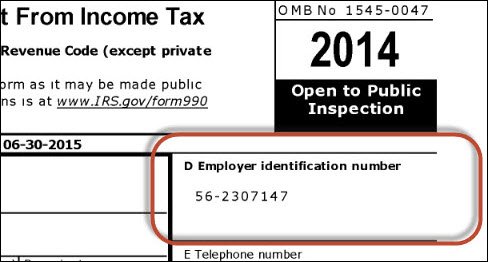
Nach der Gründung muss eine EIN (Employer Identification Number) gezogen werden. Diese ist einerseits notwendig, um Mitarbeiter anstellen zu können, aber auch um an ein Bankkonto sowie weitere Zahlungsdienstleister (Stripe, Paypal…) zu kommen. Aufgrund der aktuellen Auslastung des IRS in den letzten Jahren kann das mehrere Wochen dauern, bis die ausgestellt wird.
Adresse
Als Erstes benötigt man eine Adresse für das Unternehmen, welches man gründen möchte. Wir stellen diese für unsere Kunden in Form eines Flexi Office bzw. Postanschrift, welche ausreichend ist. Auch für die meisten Banken reicht diese Adresse aus.
Bankkonto
Die Eröffnung des Bankkontos kann erst erfolgen wenn man eine Adresse hat, das Unternehmen gegründet ist und man vom IRS eine EIN erhalten hat. Anschließend kann man damit relativ schnell und unkompliziert bei diversen Fintech Banken remote ein Konto eröffnen. Wir empfehlen unter anderem folgende Anbieter:
- Wise
- Mercury
- Brex
- RelayFi
Für lokale Bank wie Bank of America, Chase oder citi benötigt man zusätzlich eine ITIN, also eine Individual Tax Identification Number. Zusätzlich kann ein Konto dieser Art nur vor Ort eröffnet werden und dauert meist mehrere Tage.
Entsprechend empfehlen wir ein den meisten Fällen eine der oben genannten FinTech Lösungen.
Annual Report
Einmal im Jahr muss der Annual Report gemacht werden. In den USA ist das der sogenannte Annual Report. Dieser hat nichts mit Buchhaltung oder Jahresabschluss zu tun, sondern ist eine formelle Bestätigung, dass die LLC weiterhin aktiv ist und die Informationen zu Inhaber und Manager aktuell sind.
Steuererklärung & Reporting
Es gibt weitere potenziell rechtliche und bürokratische Anforderungen an die US LLC bzw. deren Besitzer. Das hängt jedoch vom Geschäft selbst ab. Wir beraten individuell, um rechtskonform zu bleiben. Folgende Bereiche betreffen aber die meisten US LLC Besitzer.
Form 5472
Das mitunter wichtigste Formular ist Form 5472. Hier handelt es sich um Information Return von US LLCs, die zu 25 % oder mehr von ausländischen Gesellschaftern gehalten werden und darüber hinaus auch Transaktionen zwischen dem LLC Besitzer oder nahestehenden LLCs durchgeführt haben.

Dieses Formular ist verpflichtend und wurde eingeführt, da es historisch gesehen immer wieder vorkam, dass Gewinne von US-Firmen in Niedrigsteuerländer abgeschöpft worden (Base Erosion und Profit Shifting). Obwohl das bei den meisten US LLC Besitzern in der Praxis nicht der Fall ist, muss das Formular ausgefüllt werden.
Konkret sind hier Angaben zum Besitzer, dessen Transaktionen und nahestehende US LLCs anzugeben.
Die Einreichfrist für Form 5472 ist aber 15. April des Folgejahres.
Form 1120 (Pro Forma)
Das nächste Formular, das auf jeden Fall eingereicht werden muss, ist das Form 1120. Dieses ähnelt dem Jahresabschluss, den man aus Ländern wie Deutschland oder Österreich kennt. Konkret handelt es sich um den U.S. Corporation Income Tax Return.

Da die meisten jedoch keine Steuerpflicht in den USA auslösen und auch nicht als Corporation besteuert werden (Die Steuer geht im Regelfall wie eingangs schon beschrieben auf den Eigentümer über), ist das de facto eine Nullsteuererklärung bzw. ein sogenanntes Pro Forma Filing.
Obwohl es sich hier um eine Nullsteuererklärung handelt, muss diese definitiv eingereicht werden.
Wer jedoch zuvor das Form 8832 beantragt und möchte das die US LLC als Corporation besteuert wird, muss folglich auch das 1120 ordnungsgemäß ausfüllen. Das betrifft die meisten ausländischen Besitzer jedoch nicht.
Die Einreichfrist für das Formular 1120 beläuft sich auf den 15. April des Folgejahres.
Form 1065
Wer eine US LLC mit einem Partner führt, der muss das Formular Form 1065 ausfüllen. Hierbei handelt es sich um den sogenannten Partnership Return. Die US LLC kann weiterhin steuerfrei sein, wenn keine Steuerpflicht den USA ausgelöst wird und die Besitzer auch in keinem anderen Land eine Steuerpflicht auslösen.

Der Unterschied hierbei ist aber, dass dieses Formular ordnungsgemäß ausgefüllt werden muss, was Buchhaltung samt Profit and Loss Statement bedeutet. Hierbei empfiehlt es sich schon vorab, mit einer Buchhaltungssoftware zu arbeiten und Belege entsprechend aufzubewahren.
Ein weiterer Unterschied ist auch die Einreichfrist, welche mit dem 15. März datiert ist.
1040 / 1040 NR
Wer Steuerpflicht in den USA durch Mitarbeiter, Büros, Warenlager oder Ähnliches auslöst, wird steuerpflichtig. Sofern nicht anders festgelegt, wird der Unternehmensgewinn mit der Einkommensteuer versteuert. Hierbei benötigt man die persönliche Einkommensteuererklärung, wie bei einem klassischen Einzelunternehmen bzw. Personengesellschaft.
Das Formular Form 1040 ist für all jene die in den USA leben und 1040 NR (Non Resident) für alle ausländischen US LLC Besitzer, die steuerpflichtig sind.
FBAR
Ein weiteres wichtiges Filing ist FBAR. Die Abkürzung steht für Foreign Bank Account Reporting und betrifft US LLC Konten, die im Ausland gehalten werden (z.B. Wise EUR Account), welche einmal im Jahr den Kontostand von 10.000 USD überschreiten. Dieses Reporting kann und sollte online im Folgejahr auf jeden Fall gemacht werden.
Costs
Die Kosten für die Gründung und fortlaufende Compliance einer US LLC sind im internationalen Vergleich relativ gering. Nachfolgend eine Tabelle für die Kosten der mitunter beliebtesten Bundesstaaten in den USA.
GLOBAL SETUP Florida vs. Wyoming vs. Delaware
Alle Angaben in USD. Registered-Agent-Service in jeder Summe enthalten.
| Kostenpunkt | FloridaSun State | WyomingCheap | DelawarePrestige |
|---|---|---|---|
| Gründung — einmalig | |||
| Gründungsgebühran den Bundesstaat | $125,00 | $100,00 | $110,00 |
| Registered Agent1. Jahr | $125,00 | $125,00 | $125,00 |
| EIN IRS | Kostenlos | Kostenlos | Kostenlos |
| Startkosten gesamt | $250,00 | $225,00Günstigste | $235,00 |
| Laufend — jährlich | |||
| Jährliche StaatsgebührBericht / Steuer | $138,75 | $60,00 | $300,00 |
| Registered AgentVerlängerung | $125,00 | $125,00 | $125,00 |
| Gesamt pro Jahr | $263,75 | $185,00Günstigste | $425,00 |
| Zur Orientierung | |||
| Gebührenart | Jahresbericht | Lizenzsteuer | Franchise-Steuer |
| Fälligkeit | 1. Mai | Gründungsmonat | 1. Juni |
| Staatl. Einkommensteuer | Keine | Keine | Keine* |
| Säumnisstrafe | $400 | Auflösung | $200 +1,5%/Mon. |
Nachteile & Steuerfallen
Die Rechtsform US LLC hat potenzielle Nachteile, wenn man sie mit anderen Rechtsformen national, aber auch international vergleicht. Folgende Punkte sollten auf jeden Fall beachtet werden, bevor man unüberlegt eine US LLC gründet.
Keine weltweite Steuerbefreiung
Eine US LLC ist nicht immer bzw. nur unter gewissen Umständen steuerfrei. Der wichtigste Umstand ist, dass man selbst keinen Steuerwohnsitz in einem Land besitzt und daher nirgends steuerpflichtig wird.
Wer fest in einem Land wohnt und dort auch einen Steuersitz hat, muss die lokalen Gesetze beachten und entsprechend Einkommens bzw. Körperschaftsteuer zahlen, auch wenn die US LLC in den USA steht. Das liegt am internationalen Steuergesetzstandard, der besagt, dass ein Unternehmen dort besteuert wird, wo es tatsächlich geführt und geleitet wird. (Place of Effective Management)
Das schließt auch Länder mit Territorialbesteuerung ein. Es wäre ein Fehler zu glauben, dass man in Paraguay, Panama oder Philippinen keine Steuern zahlt. Denn die US LLC, sofern aus dem Inland geleitet, wird lokal besteuert und gilt nicht als steuerfreies Auslandseinkommen. Das wäre nur der Fall, wenn das Unternehmen auch im Ausland (durch externen Geschäftsführer) geleitet wird.
Eine weitere Steuerfalle in dem Bereich ist ganz klar die VAT, welche in Europa bei zahlreichen Verkäufen von physischen bzw. digitalen Produkten im B2C Bereich anfällt.
FAQ
Nachfolgend ein Überblick der am häufigsten gestellten Fragen in Bezug auf die US LLC und dessen Gründung.
Basically, anyone can form an LLC in the USA as long as they bear the costs for it.
The most popular use case for a US LLC is when it is combined with perpetual traveling, meaning statelessness. This eliminates tax obligations in the area of corporate or income tax.
Furthermore, it makes sense to form a US LLC if you want to serve the local market in the US.
When comparing two of the most popular offshore entities, clear differences emerge.
A Free Zone company in Dubai primarily enables access to physical banks in Dubai itself and the opportunity to establish residency there. That can certainly make sense from a tax perspective.
US LLCs do not provide a residency visa, but they are somewhat cheaper. Although the selection of banks is large, in practice it is much harder to get an account with a physical bank. To do that, one usually has to rent an office and also demonstrate a personal physical presence in the US.
From a tax perspective, both legal entities are very attractive, although the US LLC generally only makes tax sense if you do not establish residency in any country.
If you, as the owner of the LLC, live in Germany yourself and it is also managed from Germany, the LLC must of course also be registered in Germany and any profits must be taxed there. Substanceless offshore companies, which a US LLC typically is, must be taxed at the place of management.
Experiences
Unserer Erfahrung funktionieren US LLCs großartig, für all jene die außerhalb von den USA in einem steuerbegünstigten Land leben. Die geringen jährlichen Kosten, das einfache Setup und die gute Reputation der USA sind hervorragend geeignet für Unternehmer und Selbständige.
Summary
US LLCs sind insbesondere für Nicht-US-Bürger eine großartige Rechtsform. Diese besticht vor allem durch potenzielle Befreiung von Steuern und Buchhaltung, sowie geringe Kosten und Bürokratie. All das gleichzeitig bei hoher Sicherheit und Anonymität.
Solltest du Interesse an einem US Setup haben, kannst du uns jederzeit gerne kontaktieren.