Skip to content

In times of political and economic uncertainty and dwindling privacy (EU), offshore accounts are becoming increasingly popular. In addition, these are an essential part of the Flag theory.
But what exactly is an offshore account, what advantages does it have, and how do you get one?
All these questions are answered in this article. In advance: This article is for informational purposes in the field of legal options and is not a guide to tax evasion, money laundering, or the like.
What is an offshore account?
An offshore bank account is a bank account held in a country other than the account holder's country of residence. Often, these accounts are opened in countries that offer favorable tax conditions, high confidentiality, and strict banking secrecy laws. The main features and benefits of an offshore bank account are:
Tax benefits: Many offshore financial centers have low or no taxes on interest income, capital gains, and inheritances, which can lead to significant tax savings.
Asset protection Offshore accounts can help protect assets from legal claims, creditors, and political uncertainties in the home country.
Privacy Policy: Countries with strict bank secrecy laws offer a high level of confidentiality and protect the identity and financial information of account holders. Regarding data protection and anonymity, we have a separate article with the best countries and banks for anonymous banking published.
Currency diversity: Offshore bank accounts often make it possible to operate in different currencies, which can be advantageous for international business and travel.
International diversification: By shifting assets to different jurisdictions, risks can be better spread and the portfolio diversified.
However, it is important to note that offshore bank accounts are often associated with negative connotations such as money laundering, tax evasion, and illegal activities. Many countries have introduced strict laws to combat these practices, and the use of an offshore bank account generally requires proper tax reporting and compliance with the laws of the account holder's home country.
Opening an Offshore Bank Account – Step-by-Step Guide
Below is a brief guide or overview of all the steps necessary for opening an account in an offshore jurisdiction.
1. Research and select a suitable jurisdiction
- Take some factors into account: Looking for a country with favorable banking laws, political stability, and solid financial regulations.
- Popular jurisdictions: Switzerland, the Cayman Islands, Singapore, and others are popular. More on that below!
2. Choose a bank
- Reputation and Services: Choose a bank with a good reputation that offers the services you need (e.g., online banking, multi-currency accounts).
- Bank requirements: Different banks have different requirements and fees. Check these carefully.
3. Compile required documents
- Proof of identity: Valid passport or government-issued ID.
- Proof of address: A recent electricity bill, a bank statement, or a lease agreement.
- Source of funds: Documents showing the source of your funds (e.g., pay slips, proof of business income).
- Bank references: Some banks require references from your current bank.
4. Submit application
- Online or in person: With some banks you can apply online, with others you have to go in person.
- Fill out forms: Fill out the bank's application forms and submit all required documents.
5. Review and due diligence
- Compliance checks: The bank conducts due diligence reviews to comply with anti-money laundering (AML) and know-your-customer (KYC) regulations.
- Additional information: Be prepared to provide additional information or documents if requested.
6. Initial deposit
- Minimum deposit: Some banks require an initial deposit to activate the account. Make sure you meet the minimum deposit.
- Money transfer: Transfer the initial deposit from your bank account in your home country to your new offshore account.
7. Account activation
- Confirmation: Once your application is approved and the initial deposit has been made, the bank will activate your account.
- Account details: You will receive your account details, including your account number, online banking access, and all associated debit/credit cards.
8. Comply with compliance
- Regular reporting: Make sure you comply with your home country's tax laws regarding foreign accounts. This may mean you have to report the account and any associated income to the tax authorities.
- Stay up to date: Keep yourself informed about all changes in banking regulations both in the offshore country and in your home country.
TOP 8 countries for offshore banking
Below is a list of countries that have proven to be excellent jurisdictions for offshore banking or account opening in recent years. The order is not a ranking by rating, as each country has advantages and disadvantages, and one should always choose the appropriate jurisdiction for one's own individual needs.
Singapore

Singapore is by far one of the best banking locations in the world for premier and private bank accounts. If you have the right customer profile and can afford to do banking here, it is definitely worth considering.
In short, the banks in Singapore are tax-compliant, well-capitalized, and (once you are there) offer first-class service. And the same goes for the country. Singapore is one of the best-managed countries in the world, which matters when you have to decide where to open offshore accounts and park your savings.
Aside from that, Singapore sits on the border between non-resident banking and offshore banking. In other words, banks in Singapore generally want to have clients with a local or regional connection.
Furthermore, potential customers from many countries (USA, EU, CA, UK) must expect restrictions on the banking products and services to which they have access.
Deposits start at USD 200,000 for Premier Banking. Clients wishing to use Private Banking services should plan for a deposit between USD 1,000,000 and 3,000,000.
- Risk Level: Low
- Accounts: Premier, Private & Business
- Remote opening: Yes
- Difficulty to open: Hard
- Minimum deposit: Medium
2. Switzerland

The Swiss banking sector has a reputation for being difficult to navigate, highly secretive, and opaque. However, that is only true if you cannot make a qualified deposit.
Swiss banks mostly target wealthy clients. At this level, residency issues can be resolved, income questions can be clarified, and everything is negotiable.
In other words: while banks in other countries would reject an applicant, Swiss banks employ compliance experts and auditors to get to know a client before opening an account.
In short, Swiss banks are familiar with highly complex sources of income and international client profiles, and they help potential clients navigate compliance issues.
The Opening a Swiss account is always individual. A fintech account can be opened remotely in Switzerland with manageable compliance, for example with Swissquote. Opening an account with a full-service bank is more demanding and usually requires minimum deposits of 50,000 to 100,000 CHF.
- Risk Level: Low
- Accounts: Private
- Remote opening: Yes
- Difficulty to open: Medium
- Minimum deposit: High
3. Liechtenstein
Liechtenstein is one of the largest offshore financial centers in the world. And yet it is only 25 km long and the vast majority of people could not find it on a map.
This tiny German-speaking principality lies between Austria and Switzerland, uses the Swiss franc (CHF), and has an economic and monetary union with Switzerland.
It is not surprising that people do not come to Liechtenstein to conduct personal or business banking.
Instead, this tiny enclave is only suitable for asset management and private banking.
In other words: If you do not want to invest a significant portion of your deposits, you should choose one of the other offshore banking locations instead.
Finally, Liechtenstein can be suitable for high-risk business activities if the company makes a qualified deposit (usually $1,000,000 USD) and invests the rest of the funds. Deposits start between $500,000 and $3,000,000 USD.
- Risk Level: Low
- Accounts: Private
- Remote opening: Yes
- Difficulty to open: Medium
- Minimum deposit: High
4. Cayman Islands
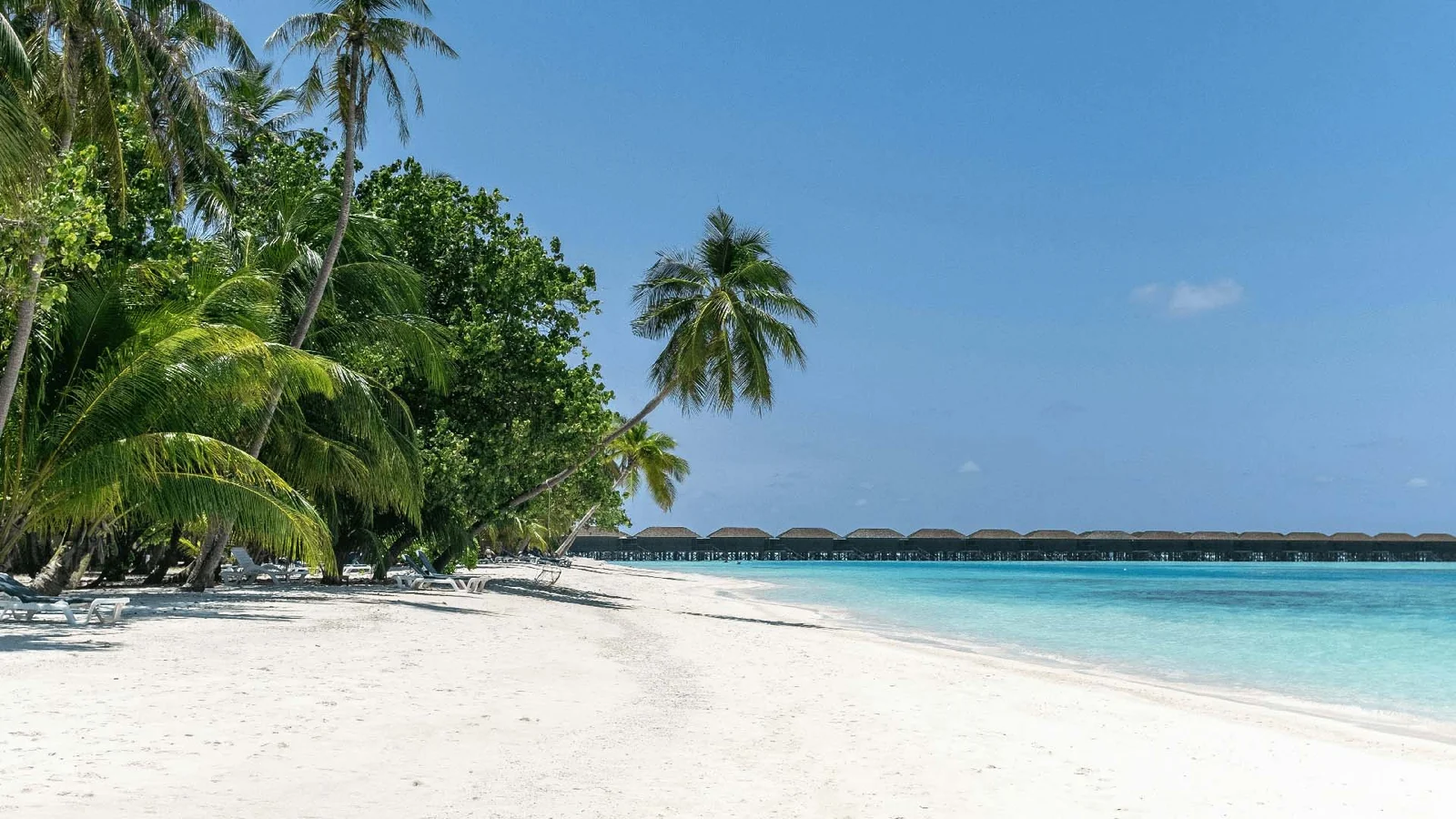
Industry experts know that the Cayman Islands are one of the most important jurisdictions in the world of offshore banking. And for good reason...
The Cayman Islands are the world's fifth-largest financial center, home to 75 % of the world's hedge funds, and hold deposits totaling 674 billion U.S. dollars—not bad for a country with a population of 60,000.
However, opening a bank account in the Cayman Islands is not easy. In fact, this is one of the most difficult jurisdictions for opening accounts for both individuals and businesses. In most cases, you need concrete (verifiable) economic substance to conduct banking here.
That doesn't mean it's impossible, though. And if you really want to open an offshore bank account, our team can help you with that—provided you meet the financial requirements for opening an account.
Einzahlungen beginnen bei 200.000 USD für Privat- und Geschäftskunden. Kunden, die ein Privatkonto eröffnen möchten, sollten eine Einlage zwischen 1.000.000 und 3.000.000 USD einplanen.
- Risk Level: Low
- Accounts: Personal, Private & Business
- Remote opening: Yes
- Schwierigkeit zu eröffnen: Sehr schwierig
- Minimum deposit: High
5. Luxembourg

Luxemburg ist ein Offshore-Finanzzentrum auf Steroiden. Es bietet Private Banking wie in der Schweiz, Investmentfonds wie auf den Caymaninseln und eine Steuereffizienz wie in den Niederlanden. Es ist also keine Überraschung, dass dieser winzige Kleinstaat das zweitreichste Land der Welt ist und eines der größten Finanzzentren der Welt beherbergt.
Es ist buchstäblich das Steuerparadies, das andere Steuerparadiese nutzen. Aber was wirklich interessant ist, ist dass „normale“ Menschen (und ihre Unternehmen) es auch nutzen können.
Ob man also eine Einzelperson, ein Unternehmer, ein Investor, ein großes Unternehmen oder ein Investmentfonds ist, Luxemburg ist es wert, dass man sich damit beschäftigt.
Aber Menschen und Unternehmen kommen nach Luxemburg, um Vermögen zu schaffen, Steuern zu strukturieren, Vermögenswerte zu schützen, kreative Finanzierungen zu finden, Nachlässe zu planen und die Steuereffizienz von Unternehmen zu verbessern.
Einlagen beginnen zwischen 1.000.000 und 3.000.000 USD, aber die Bindungen sind in der Regel
- Risk Level: Low
- Accounts: Private
- Remote opening: Yes
- Difficulty to open: Medium
- Minimum deposit: High
6. Jersey
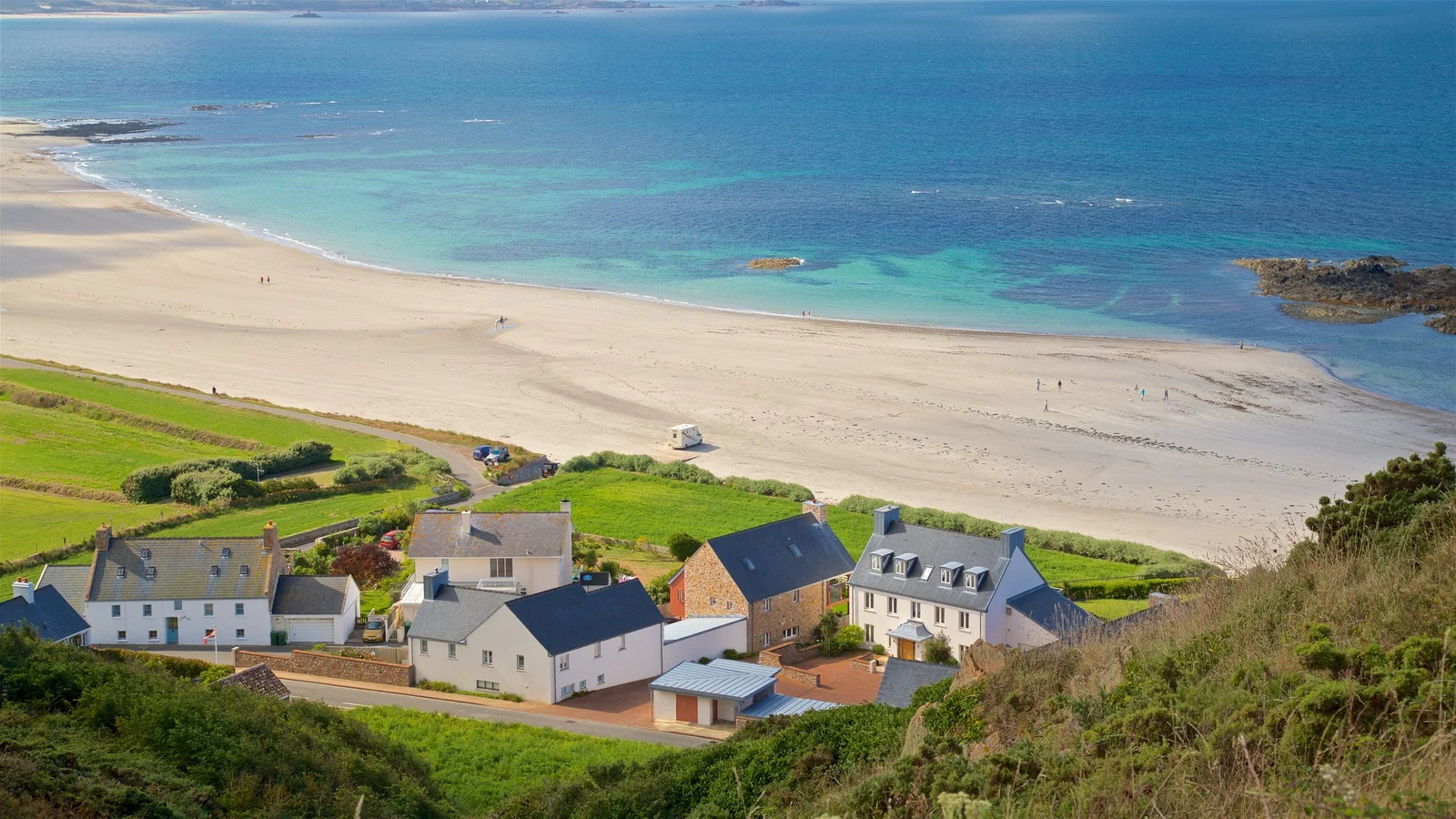
Jersey ist eine einzigartige Offshore-Bankoption, denn sie bietet Bankdienstleistungen für Privatkunden, Privatkunden, Unternehmen und sogar Depotbanken. Einige Banken auf Jersey bieten auch Hypotheken für Immobilien im Vereinigten Königreich und in ausgewählten EU-Ländern an.
Die politische Landschaft auf Jersey ist einfach und vorhersehbar. Die Gesetzgeber haben eine unausgesprochene Regel: Tu, was im besten Interesse des Finanzsektors ist. Kurz gesagt, Jersey ist ein libertäres Bankenparadies.
Unserer Erfahrung nach sind die Banker in Jersey offen und flexibel. Mit anderen Worten: Sie sind bereit, mit potenziellen Kunden bis zu einem gewissen Grad zusammenzuarbeiten.
Wenn ein Kunde eine größere Einlage tätigen möchte, werden sie die Einhaltung der Vorschriften überprüfen, um festzustellen, ob eine Aufnahme in die Bank möglich ist. Dies ist wichtig für potenzielle Kunden mit hohem Risikoprofil oder Einkommensquellen.
Die Einlagen beginnen bei 75.000 USD für das Premier Banking. Kunden, die Private Banking in Anspruch nehmen möchten, sollten eine Einlage von mindestens 500.000 bis 1.000.000 USD einplanen.
- Risk Level: Low
- Accounts: Premier & Privat
- Remote opening: Yes
- Difficulty to open: Medium
- Minimum deposit: Medium
7. Panama
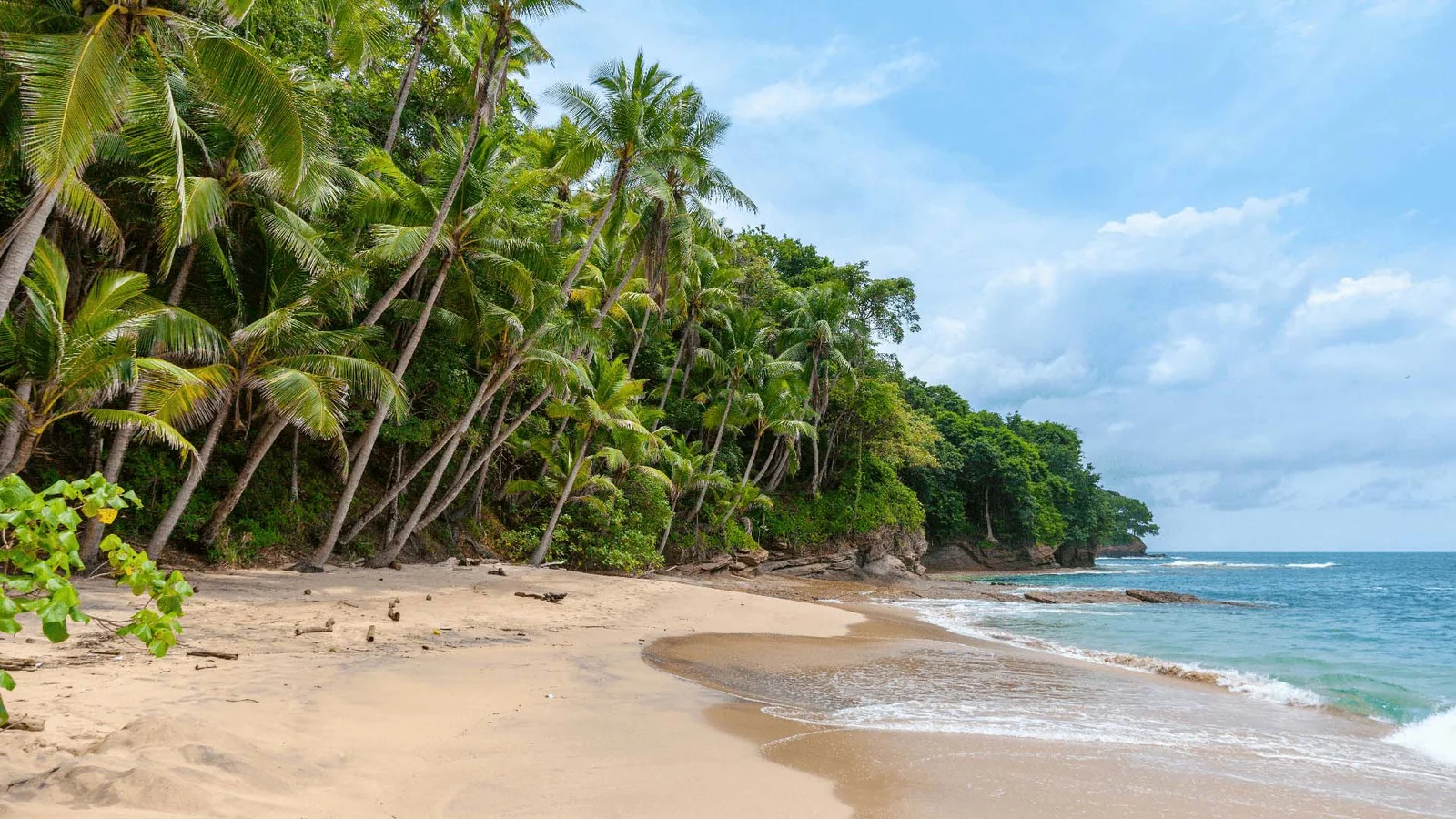
Panama-Bankkonten sind ein einfacher „erster Schritt“ in die Welt des Offshore-Bankings. Sie sind leicht zugänglich, erfordern geringe Einzahlungen und akzeptieren im Allgemeinen internationale Profile.
Außerdem ist Panama eine Option für viele Offshore-Strukturen. Es ist jedoch wichtig zu beachten, dass die Banken hier eine starke Präferenz für lokale Verbindungen haben.
Im Inland hat Panama dank des Panamakanals eine berechenbare politische und wirtschaftliche Landschaft. Auf internationaler Ebene hat Panama jedoch die unglückliche Ehre, eines der wenigen Länder zu sein, die auf allen drei internationalen schwarzen Listen stehen (Großbritannien, EU und FATF).
Obwohl wir diese schwarzen Listen als weitgehend politisch betrachten, kann die Aufnahme in die Liste Auswirkungen auf den Bankensektor eines Landes haben. Dies gilt insbesondere für das Senden und Empfangen von internationalen Überweisungen.
Eröffnungseinlagen beginnen bei 10.000 USD sowohl für Privat- als auch für Geschäftskunden.
Kunden, die eine private Bankverbindung anstreben, sollten eine Einlage von 100.000 bis 500.000 USD einplanen.
- Risk Level: Low
- Accounts: Privat & Business
- Remote opening: Yes
- Difficulty to open: Medium
- Mindesteinlage: Niedrig
VAE (Dubai)
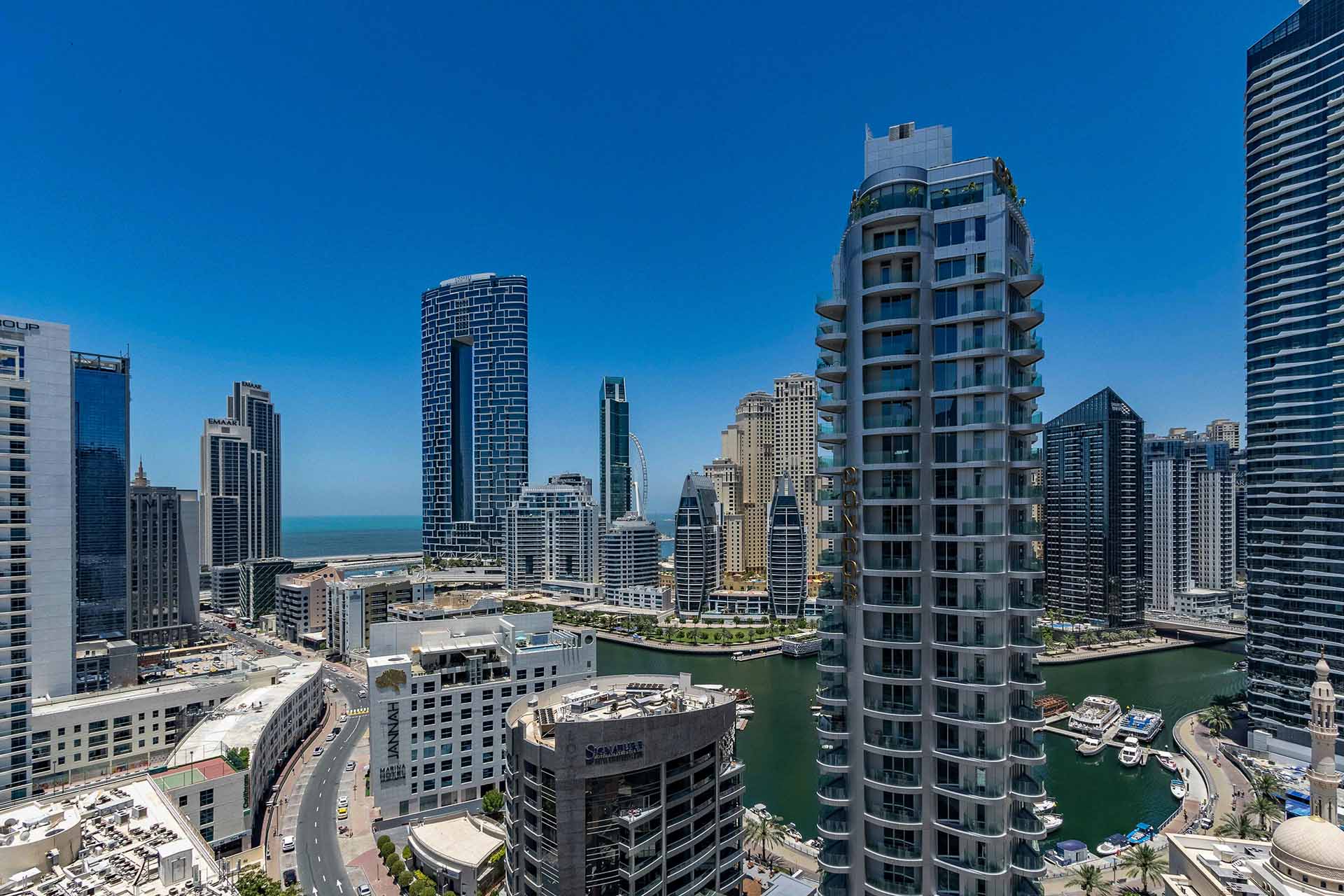
Ein Land bzw. Stadt sind die Vereinigten Arabischen Emirate, allen voran Dubai. Dubai erfreut sich immer größer werdender Beliebtheit, nicht nur bei Urlaubern, sondern auch bei Expats und ausländischen Investoren.
Die VAE sind eines der sichersten Länder der Welt und unter den 10 sichersten Städten der Welt sind mehrere aus den VAE, darunter auch Dubai. Die Jurisdiktion überzeugt durch starkes Wirtschaftswachstum, hohe Sicherheit, Stabilität im Bankensektor und Englisch als inoffizielle Sprache.
Hinsichtlich der Kontoeröffnung gibt es zwei Möglichkeiten. Entweder man besitzt bereits ein Visum durch Firmengründung, Job oder Investment und kann mit der Emirates ID problemlos ein Konto in Dubai eröffnen.
Oder man hinterlegt mindestens 100.000 USD oder gleichwertigen Wert in einer anderen Währung in auf Sparkonto und behält diese Einlage.
Welche Option für einen mehr Sinn macht, sollte individuell geklärt werden. Jedoch ist ein Aufenthaltsvisum in den VAE als Option B oder C ohnehin attraktiv und öffnet gleichzeitig auch die Möglichkeit ein Konto zu eröffnen.
- Risk Level: Low
- Accounts: Privat & Business
- Remote Eröffnung: Nein
- Difficulty to open: Medium
- Mindesteinlage: 0-100.000 USD (abhängig von Visa Status)
Bonus: Georgien

Ein weiteres Land, welches sich wirtschaftlich gesehen in den letzten Jahren besonders gut entwickelt hat, ist Georgien. Es liegt nahe an Europa und ist geografisch sehr gut erreichbar. Hinsichtlich Offshore-Banking ist es vor allem bei Einsteigern sehr beliebt, da die Eröffnung eines Kontos in Georgien (über uns) remote erfolgen kann und es keine Mindesteinlagen gibt. Vor allem die TBC Bank hat sich als zuverlässige Bank für einfaches und unkompliziertes Offshore Banking erwiesen. Wir unterstützen Sie gerne bei der Kontoeröffnung in Georgien.
Tipps
Nachfolgend die wichtigsten Tipps, die zu erfolgreichem Offshore-Banking führen.
- Hole professionellen Rat ein: Wende dich an Finanzberater oder Rechtsexperten, die auf Offshore-Bankgeschäfte spezialisiert sind, damit fundierte Entscheidungen getroffen werden können..
- Sei ehrlich: Geben Sie wahrheitsgemäße und genaue Informationen, um rechtliche Probleme zu vermeiden.
- Verstehen die Kosten: Informiere dich über alle Gebühren, die mit der Eröffnung und Führung des Offshore-Kontos verbunden sind.
Dagegen sind nachfolgende Punkte oft Stolpersteine und sollten unbedingt beachtet werden.
- Gesetzliche Verpflichtungen ignorieren: Das Versäumnis, Ihr Offshore-Konto den Steuerbehörden zu melden, kann zu schweren Strafen führen.
- Auswahl der falschen Gerichtsbarkeit: Nicht alle Offshore-Gebiete sind gleich. Einige können höhere Risiken oder ungünstigere Gesetze haben.
- Gebühren übersehen: Achte auf die Gebührenstruktur der Bank, um unerwartete Kosten zu vermeiden.
Wenn man diese Schritte befolgt und sich gewissenhaft um die Einhaltung der Vorschriften und die Recherche kümmert, kann man erfolgreich ein Offshore-Bankkonto eröffnen und verwalten.
Summary
Die Eröffnung eines Offshore Kontos kann ein valides Mittel sein, um Vermögen zu schützen und auch von verschiedenen Bankensystem zu profitieren. Bei der Eröffnung sollten einige Dinge beachtet und auch die Wahl der Bank sollte individuell getroffen werden.
Das perfekte Offshore-Konto für alle existiert nicht. Deshalb sollte man vor allem auf Sicherheit, Vermögensstand, Zugang und Konditionen achten, wenn man ein geeignetes Offshore-Konto finden möchten. Sollte das Thema neu für einen sein, ist eine Beratung allenfalls zu empfehlen.