If you travel full time as a digital nomad, sooner or later you run into the same question: which country do I enter as my residence with my bank, with Wise, with my broker or with the tax office? "Nowhere" is not an answer any compliance form accepts. By the next account opening, or when you deregister from your home country at the latest, you need a residence you can back up with documents.
That is exactly what a compliance residency is for: a country where you are allowed to live legally, where you are tax resident, where you have a tax number and where you can prove an address. Ideally the country is cheap, uncomplicated and taxes your foreign income lightly or not at all.
Below we first explain the four terms that are constantly mixed up, and then compare seven countries that are realistic options for digital nomads: Thailand, Paraguay, Malaysia, the Philippines, Georgia, Cyprus and Malta. For each country you will learn how easy it is to get the documents as a foreigner, how long it takes and what it costs. All information reflects the status of November 2026, euro amounts are rounded. It does not replace legal or tax advice.
Terms
Banks, payment providers and tax offices ask for different things, even though in everyday language everything is called "residence". If you keep the terms apart, you avoid the most common mistakes when opening accounts and when leaving your home country.
Residence permit
The residence permit (residency, long-stay visa) governs whether and for how long you may stay in a country. It is issued by the immigration authority and says nothing about your taxes. Many countries grant residencies you hardly have to use, Paraguay for example. Conversely, as an EU citizen you can live in Georgia for a year without any permit at all.
For banks, the residence permit is mainly proof of identity and legitimacy: with a local ID card such as the Paraguayan cédula or the Maltese eResidence card, local accounts become much easier to open.
Tax residence certificate
The tax residence certificate (certificate of residence) is issued by the tax authority. It confirms that you were tax resident in that country in a given year. It is the strongest document of a compliance residency, because it proves to banks, brokers and your former tax office where you belong for tax purposes.
Almost every country ties the certificate to days of presence, usually 183 per year, sometimes fewer. Some additionally require a filed tax return. A visa or residency alone is not enough in any of the seven countries.
Tax number
The tax number (Tax Identification Number, TIN) is your identifier with the tax authority. Banks ask for it in the CRS self-certification: under the Common Reporting Standard, every bank reports your account data to the country where you are tax resident, and for that it needs your TIN there. A tax number does not prove residence, though. Many countries also issue one to non-residents.
Address and proof of address
Proof of address shows that you live at a specific address. Usually accepted are a lease, an electricity, water or internet bill, a statement from a local bank or an official certificate of residence. Most banks and fintechs want a document that is no older than three months and in your name.
A mailbox address or a virtual office almost never works for personal accounts. And an address without matching tax residence is a contradiction that stands out at the next review.
Document
Issued by
What it proves
What you need it for
Residence permit
Immigration authority
legal right to stay
entry, local ID, local account
Tax residence certificate
Tax authority
tax residence in a given year
CRS, deregistration, double tax treaties
Tax number
Tax authority
registration as a taxpayer
CRS self-certification, invoices, returns
Proof of address
Landlord, utility, bank, municipality
actual home address
account opening, KYC with fintechs and brokers
Why you need one
A compliance residency is not an end in itself. It solves three concrete problems every perpetual traveler knows:
Banking: Banks, neobanks and brokers have to assign you to a tax country. Without a tax residence, your account data ends up with your former tax office, or the account is closed because the details do not match.
Taxes: If you leave your home country, you may have to prove where you live instead. A tax residence certificate is the best document for that, especially when a double tax treaty decides the question.
Everyday life: Credit cards, insurers, phone contracts and payment providers such as Stripe or PayPal ask for an address and a tax country. A consistent package of residency, TIN and address ends the constant follow-up questions.
The concept is part of flag theory: you deliberately spread citizenship, residence, company and accounts across different countries. How life as a location-independent entrepreneur is set up overall is covered in the guide Become a digital nomad.
The 7 countries compared
The overview below shows how much effort the residency takes, when you get a tax certificate and how your foreign income is taxed. Details and sources are in the country sections.
Country
Stay for nomads
Processing
Government fees
Tax certificate
Foreign income
Thailand
DTV, 5 years
a few weeks
THB 10,000, around €265
from 180 days, with tax return
tax-free as long as it is not brought into Thailand
Paraguay
temporary residence, 2 years
2 to 3 months plus cédula
around €420
guideline 120 days
tax-free (territorial)
Malaysia
DE Rantau, up to 4 years
2 to 6 months
MYR 1,080 plus MYR 360 a year, around €300
from 182 days, with tax return
passive income tax-free until 2036, local work taxable
Philippines
tourist visa with extensions, SRRV from 40
days, or 30 to 45 working days
around €170 per extension, SRRV from €1,300 plus deposit
hardly obtainable in practice
tax-free for foreigners
Georgia
visa-free 365 days plus work permit
10 to 30 days
GEL 200 to 400, €63 to €127
from 183 days in 12 months
tax-free, 1% on turnover as an individual entrepreneur
Cyprus
EU registration MEU1
days to 6 weeks
€20
from 60 or 183 days
non-dom: dividends and interest without SDC, 2.65% GESY
Malta
EU registration, eResidence card
around 2 months
free
with residence, tax returns filed
tax-free unless remitted, minimum tax €5,000 from €35,000
The costs in the table are government fees only. Rent, health insurance, translations and possibly a lawyer or tax adviser come on top. We summarize the running costs per year further down in the section Recommendation by profile.
Thailand
Thailand is home base for many nomads anyway. As a compliance residency it works if you understand the remittance rule: since 2024, Thailand taxes foreign income as soon as it is brought into Thailand in a year of tax residence. What stays abroad stays tax-free. A planned relaxation, under which transfers in the same or the following year would have been exempt, did not take effect after the 2026 election (brerrabbitlegal.co.th). The details are in the guide Thailand taxes.
Document
Effort
Processing
Cost
DTV (stay)
medium: THB 500,000 in funds, police certificate, application in your home country
a few weeks plus time for the police certificate
THB 10,000, around €265
Certificate of Residence (RO.22)
high: 180 days, tax return, in person at the tax office
2 to 4 weeks
no published fee
Tax number (L.P. 10.1)
low, but varies by office
same day to 5 working days
free
Proof of address
low: lease, TM30, residence certificate from immigration
1 day to 3 weeks
THB 0 to 500
Residence permit
The Destination Thailand Visa (DTV) is the visa for remote workers: valid for five years, 180 days per entry, extendable once in the country by 180 days for THB 1,900. You have to show THB 500,000, around €13,200, in your account. The fee is THB 10,000 and is charged in local currency depending on the mission, in Budapest around €350 (budapest.thaiembassy.org). Since 31 August 2026 you can only apply in the country of your nationality or permanent residence and must include a recent police certificate (louisconsultants.com). The former route of getting the DTV in a neighboring country such as Laos or Malaysia is therefore closed for most people.
Alternatives are the LTR visa for well-paid remote workers, which keeps foreign income tax-free even when remitted, and the Thailand Privilege Card from THB 650,000 without proof of income. An overview of all visas is in the guide Moving to Thailand.
Tax residence certificate
You are tax resident from 180 days in the calendar year. The Certificate of Residence (form RO.22) is issued by the Revenue Department, explicitly for the purposes of a double tax treaty. Required are the filed tax return (P.N.D. 90 or 91) with proof of payment, a copy of your TIN card and your passport with all stamps (rd.go.th). You apply in person at the competent Area Revenue Office, and processing takes a few weeks. Whether offices also issue the certificate on a nil return without Thai or remitted income varies in practice.
Tax number
Foreigners receive a 13-digit tax number via form L.P. 10.1 at the Area Revenue Office. Bring your passport, visa and proof of address, and the address must match the TM30 notification. Registration is free and often done the same day. Some offices are reluctant to register nomads without Thai income (Expat Tax Thailand).
Proof of address
The basis is the lease plus the TM30 notification, which your landlord, hotel or Airbnb host must file with immigration. Building on that, immigration issues a residence certificate that banks and authorities ask for as proof of address. Depending on the office it costs THB 0 to 500, takes one day to three weeks and is valid for only 30 days (itsbetterinthailand.com).
The banking catch: Large banks such as Kasikorn and Bangkok Bank do not open accounts for DTV holders. A Thai account is realistic with a non-immigrant visa or LTR (thethaiger.com). If you want help with the visa, see Thailand Residency.
Verdict: Good for anyone who lives in Thailand six months a year anyway and keeps their money abroad. The tax certificate is bureaucratic, and a local account with a DTV is hard to get.
Paraguay
Paraguay has been the classic compliance residency for years. The country only taxes income from Paraguayan sources. Personal income tax (IRP) is 8 to 10% and applies only to local income, and services for clients abroad generally do not count as Paraguayan income (PwC). For a nomad with clients in Europe that means: zero percent. Everything about taxes is in the guide Taxes in Paraguay.
Document
Effort
Processing
Cost
Temporary residence and cédula
medium: apostille documents, enter once, appointments in Asunción
2 to 3 months, cédula afterwards
around €420 in fees, with an agency €1,500 to €4,000
Certificado de Residencia Fiscal
medium: RUC, cédula, entries and exits, guideline 120 days
up to 10 working days
around €40 for the migration certificate
Tax number (RUC)
low, then monthly filings
a few days
free, ongoing filings usually through a tax adviser
Proof of address
low: certificado de vida y residencia from the police
1 day
around €10
Residence permit
Since migration law 6984 of 2022, everyone starts with temporary residence for two years, and only then comes permanent residence (Gesetzblatt Paraguay). You need your passport, birth certificate and a police certificate, apostilled and translated, plus an Interpol certificate from Asunción. You apply in person after entering the country. Since 1 July 2026, temporary residence costs PYG 2,926,925, around €420 (prensamercosur.org). With an agency, total costs are usually €1,500 to €4,000, but the appointments are done within a few days. The cédula, the Paraguayan ID card, follows once residence is granted.
New since 2026: for permanent residence you have to prove economic solvency, for example through income or assets (eiglaw.com). There is no minimum stay, but temporary residence lapses if you are absent for more than a year without justification, permanent residence after more than three years (Gesetzblatt Paraguay). How the move works step by step is in the guide Moving to Paraguay.
Tax residence certificate
The Certificado de Residencia Fiscal is issued by the tax authority DNIT under General Resolution 65/2020. It is based on the migration authority's record of your entries and exits in the year concerned (DNIT). In practice, more than 120 days of presence is the guideline (PwC). You also need your cédula, RUC and a certificate showing you are up to date with your tax obligations. Processing takes up to ten working days, and the certificate is valid for one year (paraguaypathways.com). If you only visit every few years, you keep your residence but do not get a certificate.
Tax number
The tax number is called RUC (Registro Único del Contribuyente) and requires a valid cédula. Registration is free. With an active RUC, however, you have to file monthly returns, including nil returns. Most residents have a local tax adviser handle this. For tax purposes, a nomad with purely foreign income would not need a RUC, but in practice it is required for the certificate (paraguaypathways.com).
Proof of address
The classic proof is issued by the local police station: the certificado de vida y residencia, for around €10. Leases and electricity bills also count. Local banks accept the certificate, but foreign fintechs do not always accept the Spanish-language document (riotimesonline.com).
Banking: A local account is feasible with a cédula, without one you will usually be turned down. Since 2026, banks also ask about the source of funds and assets (riotimesonline.com). Paraguay has committed to its first automatic exchange of information under the CRS for 2027 (DNIT). There is no double tax treaty with Germany. If you do not want to handle the process alone: Paraguay residency with Global Setup.
Verdict: One of the best options for nomads with foreign income. Low costs, no tax on foreign income, and around four months on site once a year for the certificate.
Malaysia
With the DE Rantau Nomad Pass, Malaysia has one of the few genuine nomad visas in Asia. Kuala Lumpur and Penang are affordable, the infrastructure is excellent and English is widely spoken. For taxes, one distinction matters: foreign income that resident individuals bring into Malaysia is tax-free until 31 December 2036 (PwC). Work you perform physically in Malaysia, however, counts as Malaysian income, even if the client is abroad (www2.deloitte.com). For active freelancers, Malaysia is therefore not automatically tax-free.
Document
Effort
Processing
Cost
DE Rantau Nomad Pass
medium: income from USD 36,000 (tech) or USD 60,000, contracts, insurance
officially 6 to 8 weeks, often up to 6 months
MYR 1,080 plus MYR 360 a year, around €300
Certificate of Residence
medium: 182 days, tax return filed
around 10 working days
free
Tax number (e-Daftar)
low, Malaysian phone number required
a few working days
free
Proof of address
low: stamped lease plus a bill
stamping within 30 days
stamp duty, around €30 to €90 at €600 monthly rent depending on term
Residence permit
The DE Rantau Nomad Pass is open to all nationalities except Israel, from age 18. Until now the threshold was USD 24,000 annual income for tech professions and USD 60,000 for everyone else. New applications were suspended in November 2026. From 1 December 2026, USD 36,000 applies to tech professions, and the pass can be extended up to four years, with a report on income and tax compliance at renewal (vialtopartners.com). The fee is MYR 1,080, plus a pass fee of MYR 360 per year. Required are, among other things, a police certificate, bank statements, employment or client contracts, health insurance and registration with the tax authority LHDN (mishu.my).
The MM2H program is too expensive for nomads: since 2024, even the Silver tier requires a USD 150,000 fixed deposit and the purchase of a property (mm2h.gov.my).
Tax residence certificate
You are resident from 182 days in the calendar year, with special rules for stays spanning the turn of the year (PwC). You apply for the Certificate of Residence free of charge through the e-Residence portal of the tax authority LHDN (HASiL). The tax return must have been filed, and processing takes about ten working days (cleartax.com).
Tax number
Since 2024, registration is online only, through e-Daftar on MyTax. As a foreigner you register with your passport, and you need a Malaysian phone number for the verification code. Registration is free and mandatory for the DE Rantau anyway.
Proof of address
The standard is a lease that must be stamped within 30 days. Since 2025 the exemption no longer applies, and stamp duty is MYR 1 per MYR 250 of annual rent for leases up to one year and MYR 3 for one to three years. Since 2026, stamping works by self-assessment on MyTax (stashaway.my). Banks also want an electricity or phone bill. A local account is realistic with a long-term visa, and the first account is opened at the branch.
Verdict: Ideal for nomads with passive income, such as dividends from their own company abroad. If you actively work for clients while in Malaysia, plan for local tax liability.
Philippines
At first glance the Philippines are ideal for taxes: foreigners only pay tax there on income from Philippine sources, whether they are resident or not (PwC). Here too, work performed physically in the country can count as local income. The bigger problem is a different one: as a nomad you will practically not get a tax residence certificate.
Document
Effort
Processing
Cost
Tourist visa with extensions
low, up to 36 months in a row
days, possible online
around €170 to €180 per extension, ACR I-Card around €45
SRRV Classic (from 40)
high: deposit, police certificate, presence during the process
30 to 45 working days
USD 1,500 plus USD 360 a year, deposit from USD 30,000
Tax Residency Certificate
very high: tax return required, rarely granted to foreigners
14 working days
unclear
Tax number (TIN)
low
days to a few weeks
free
Proof of address
low: barangay certificate, lease
1 day
PHP 30 to 100
Residence permit
The Philippines adopted a digital nomad visa in 2025 by Executive Order 86: up to one year of stay with foreign income, but only for citizens of countries that grant Filipinos a nomad visa as well (lawphil.net). At the end of 2026 the implementing rules have not been published, so you cannot apply yet.
In practice, nomads live on tourist status: Germans enter visa-free and then extend by one, two or six months, up to 36 months in a row. An extension costs around PHP 11,500 to 12,000, and from 59 days the ACR I-Card is mandatory (respicio.ph). If you are 40 or older, you can apply for the SRRV Classic retirement visa: USD 1,500 fee, USD 360 annual fee and a deposit of USD 50,000 under 50 or USD 30,000 from 50. Since September 2025 the PRA only accepts applications for Classic and Courtesy (bratucapital.com).
Tax residence certificate
The Tax Residency Certificate is issued by the tax authority BIR via form 0902. Required are proof of income and the Philippine tax return for the previous year (respicio.ph). Anyone with only foreign income does not file a tax return, and foreigners on tourist status or SRRV usually count as non-resident (PwC). A certificate is therefore hardly obtainable for nomads.
Tax number
You can get a TIN even without Philippine income via form 1904, online through the ORUS portal or at the competent Revenue District Office. It is free (filipiknow.net).
Proof of address
Besides a lease and an electricity bill, the municipality (barangay) issues a Certificate of Residency, also to foreigners, usually for PHP 30 to 100 (respicio.ph). Banks generally open local accounts with an ACR I-Card or SRRV card. To this day, the Philippines do not take part in the automatic exchange of information under the CRS (sgv.ph).
Verdict: A pleasant and affordable place to live, but weak as a compliance residency: without a tax certificate, the most important document is missing. Better suited as an addition to another residence.
Georgia
For a long time Georgia was the most uncomplicated compliance residency of all. The country only taxes individuals on Georgian income, and as an individual entrepreneur (IE) with small business status you pay 1% on turnover up to GEL 500,000, and 3% above that (PwC). In 2026, however, new obligations were added that you need to know. Everything about the tax system is in the guide Georgia taxes.
Document
Effort
Processing
Cost
Visa-free stay
low: passport or ID card, travel insurance mandatory
immediate
no fee
Work permit (since March 2026)
low to medium
10 working days to 30 days
GEL 200 to 400, €63 to €127
Tax residence certificate
low: 183 days, online application
1 to around 20 working days
free, express GEL 100
Individual entrepreneur with tax number
low: passport, address with the owner's consent
1 working day
around GEL 20 to 75
Proof of address
medium: lease, owner's consent, registry extract
1 day
GEL 13 to 75 for the registry extract
Residence permit
As an EU or Swiss citizen you can still stay in Georgia visa-free for up to 365 days. Since 1 January 2026, however, you need health and accident insurance with at least GEL 30,000 of cover, and border officers may ask for it (gov.pl). Since 1 March 2026, anyone who works in Georgia, including self-employed people and individual entrepreneurs, also needs a work permit. It costs GEL 200 with 30 days of processing or GEL 400 with 10 working days, and it lapses if you spend more than six consecutive months abroad. Services for clients abroad that relate to their business outside Georgia are exempt, but how the authorities apply this to individual entrepreneurs has not yet been clarified (georgiaguidebook.com).
You can get a residence card through a property from USD 150,000 (since March 2026, previously USD 100,000), through an investment from USD 300,000, or as a work residence with at least GEL 50,000 in annual turnover, among other routes. Temporary permits cost GEL 300 with 30 days, GEL 450 with 20 days and GEL 600 with 10 days of processing (sda.gov.ge).
Tax residence certificate
You are tax resident if you spend at least 183 days in Georgia within any twelve-month period ending in the tax year. You apply for the certificate online in your Revenue Service account on rs.ge, and the authority sees the border data itself. The standard option is free and takes around 20 working days, express costs GEL 100 for one working day (efsgroup.ge). The fee schedule was changed in November 2026, so check the current amounts before you apply.
Without 183 days, the only route is high-net-worth status: more than GEL 3 million in assets or more than GEL 200,000 of income in each of the last three years, plus at least USD 500,000 of assets in Georgia and a residence card or Georgian income (Andersen Georgien). For most nomads this is not an option.
Tax number
You receive your tax number automatically when you register as an individual entrepreneur. Registration at the Public Service Hall takes one working day, also by power of attorney. You need your passport and a Georgian address, and if you do not own the apartment, the owner's consent. Depending on speed, the fee is around GEL 20 to 75. You then apply for small business status on rs.ge free of charge. You file monthly by the 15th, even with zero turnover (PB Services).
Proof of address
A lease, the owner's consent or an extract from the land registry serve as proof. Official address registration with the authority is usually only open to residence card holders. Georgia has exchanged account data under the CRS since 2024, and local banks such as TBC and Bank of Georgia screen non-residents much more strictly in 2026 than they used to. How account opening works today is in the guide Open a bank account in Georgia.
Verdict: Still one of the cheapest routes to a genuine tax certificate if you spend six months a year in Georgia. The new work permit and the insurance requirement make the entry more formal than before.
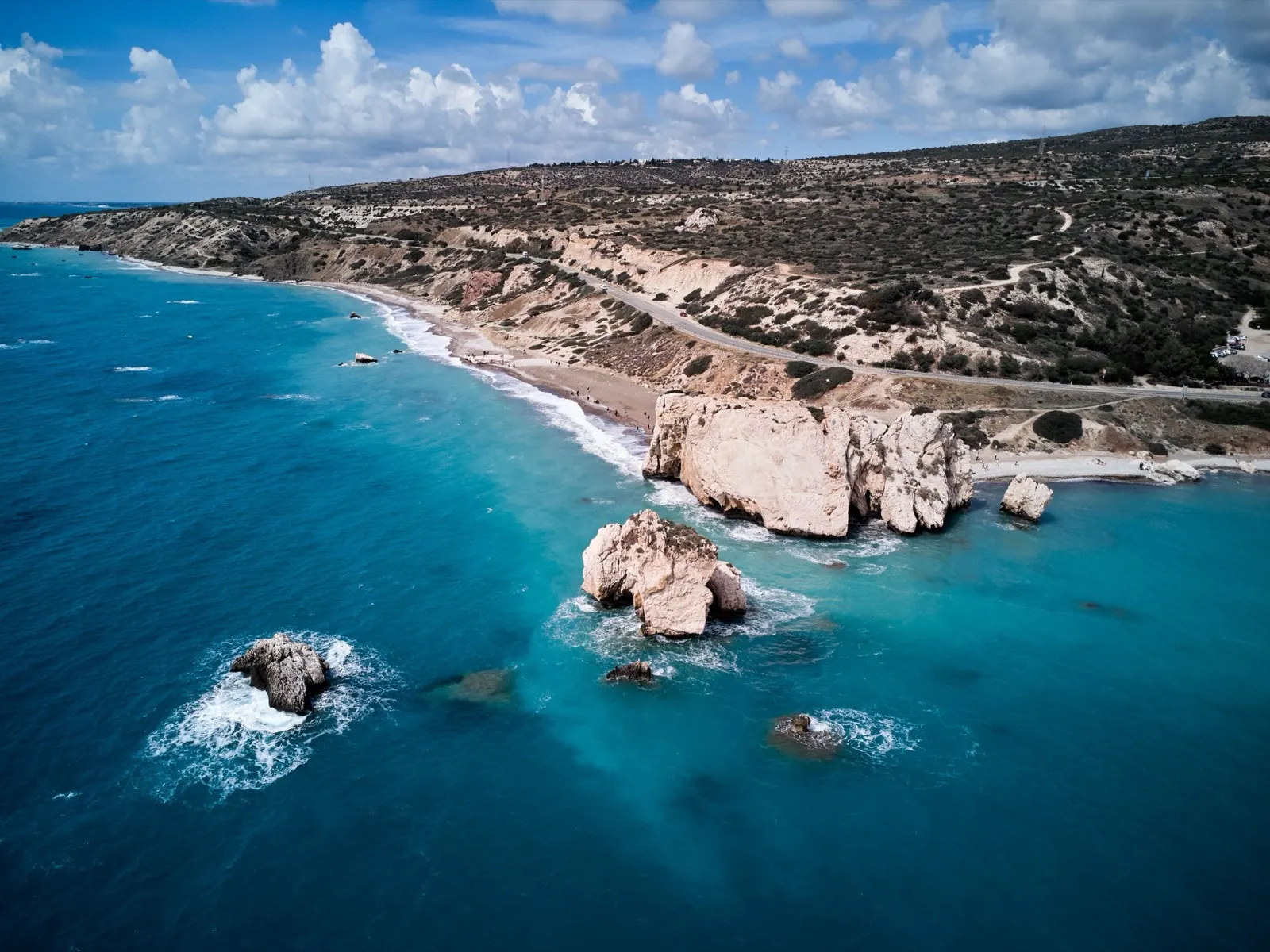
Cyprus
Cyprus is the most popular compliance residency inside the EU. The reason is the 60-day rule: you can become tax resident with as little as two months of presence per year. As a non-dom you pay no special defence contribution (SDC) on dividends and interest, only the GESY health contribution of 2.65%, capped at €4,770 per year (ey.com). Salary and self-employment income, on the other hand, are taxed normally: since 2026 the first €22,000 are tax-free, and above that the rate rises from 20% to up to 35%. The details are in the guide Cyprus taxes.
Document
Effort
Processing
Cost
EU registration MEU1
low: lease, income, health insurance
often the same day, up to 6 weeks
€20
Tax residence certificate
medium: 60 or 183 days, evidence of home and activity
a few weeks
no known fee
Tax number (TIC)
low, online
days to a few weeks
free
Proof of address
medium: year-round lease with certified signatures
1 to 2 weeks
rent from around €500 to €950 a month
Residence permit
As an EU citizen you do not need a visa, but you must register after three months, at the latest within four months of arrival. The certificate is called MEU1, known as the "yellow slip", and costs €20. For nomads without a local job, the category "sufficient resources" applies: you show regular income or savings, a lease and health insurance, either private or through GESY registration (GK Law Firm). The certificate does not expire. For non-EU citizens there is a Digital Nomad Visa from €3,500 net per month.
Tax residence certificate
You are resident from 183 days or under the 60-day rule. For the latter you must spend at least 60 days in Cyprus, not spend 183 days or more in any other single country, carry on an activity in Cyprus, be employed there or be a director of a Cypriot company, and have your own or a rented home that is available to you all year. Since 2026 you no longer have to prove that you are not tax resident anywhere else (IBCCS Tax). For nomads, in practice that usually means your own Cypriot company in which you are a director. How that works is shown on Company formation in Cyprus.
You apply for the certificate with form T.D. 126 through the Tax For All portal. Evidence includes boarding passes or stamps, the lease, the company or employment contract and utility bills (savvacyprus.com). It is usually issued for a completed year.
Tax number
Since 2024 you can only apply for the TIC online through Tax For All with a CY Login. EU citizens upload their MEU1 for this. If you use the 60-day rule, you can submit your lease and a foreign tax certificate instead. The number arrives by email and is free (Zeno Legal).
Proof of address
The lease must contain the names and ID numbers of both parties, and the signatures are certified. Stamp duty was abolished in 2026. A one-bedroom apartment costs around €500 to €950 in Larnaca and Paphos in 2026, and €900 to €1,300 in Limassol (cyprus-mail.com). A room in a shared flat is risky for the 60-day rule, because the home must be available to you all year. Bank of Cyprus opens accounts via its app, but they are activated at the branch, with your MEU1, TIC and evidence of the source of your funds.
Verdict: The strongest EU option if you draw dividends from a company. With rent, company and tax adviser, however, the residence easily costs €10,000 to €20,000 a year. More in the guide Moving to Cyprus and on Cyprus Residency.
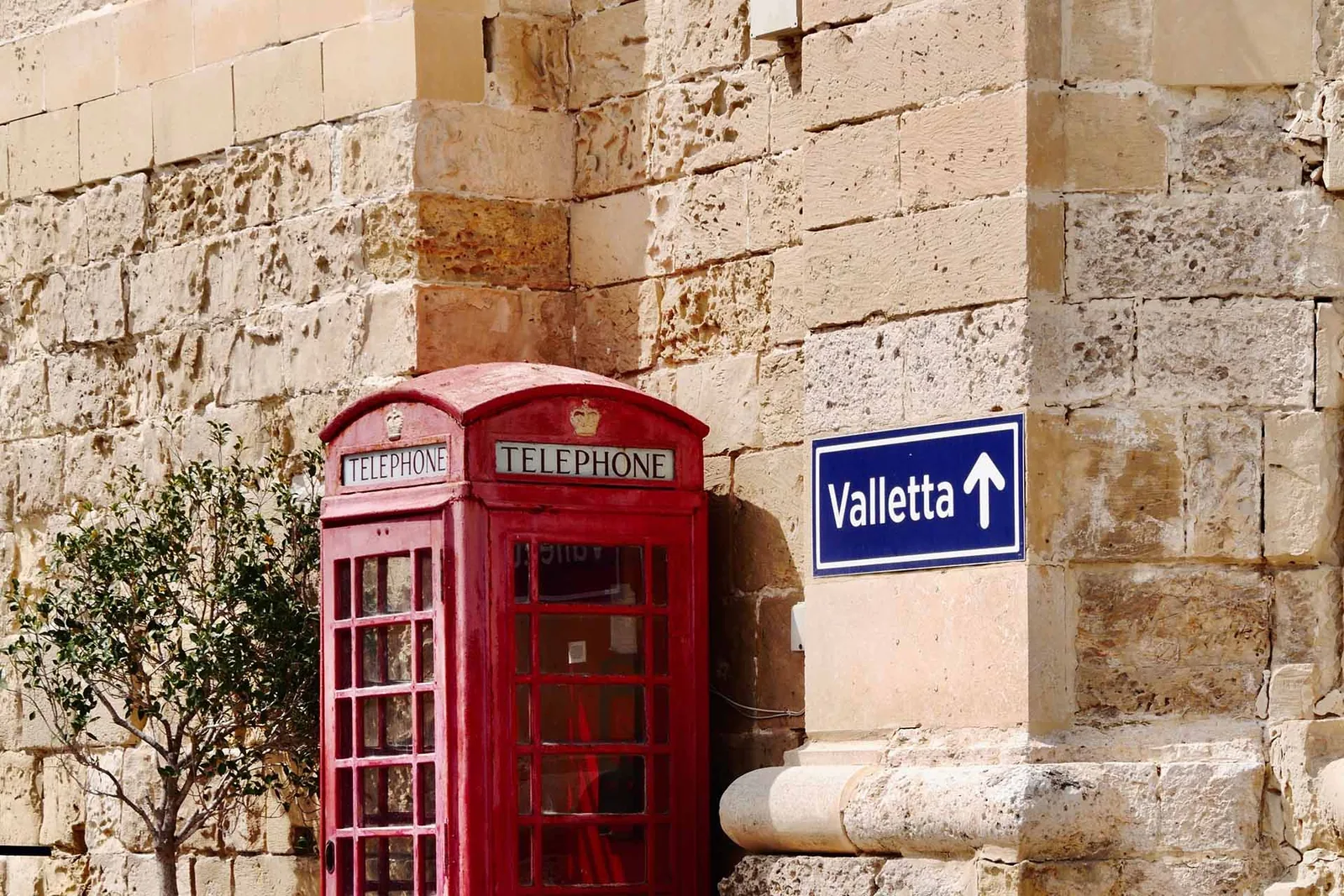
Malta
Malta works differently from Cyprus: as a resident non-dom you pay tax on Maltese income and on foreign income you remit to Malta. What stays abroad is tax-free, and foreign capital gains are tax-free even when remitted. If your unremitted foreign income is at least €35,000, however, you pay a minimum tax of €5,000 per year (forvismazars.com). If you work physically in Malta, you should also have it checked whether that income counts as Maltese. More in the guide Malta taxes.
Document
Effort
Processing
Cost
eResidence card (EU)
low: registered lease, resources, health insurance
around 2 months on average
free
Residence Certificate (RCTR02)
medium: all tax returns filed, 12 months of evidence
a few weeks
no known fee
Tax number
low, online
2 to 6 working days
free
Proof of address
medium: lease must be registered
within 30 days of the lease start
rent from around €550, shared room from €450
Residence permit
EU citizens apply for the eResidence card online with the authority Identità and then attend a biometrics appointment. The card is free and valid for five years (identita.gov.mt). For self-sufficient applicants, Identità requires sufficient resources, comprehensive health insurance and a lease. By law, processing may take up to four months, on average it is around two.
For non-EU citizens there is the Nomad Residence Permit from €42,000 gross annual income, with a €300 application fee and €100 for the card, valid for one year and renewable up to four times (nomad.residencymalta.gov.mt). It does not automatically make you tax resident. Important for 2027: on 1 January 2027 Malta replaces its special programs such as the Global Residence Programme with a new Individual Tax Programme with much higher minimum taxes (legal500.com). Ordinary residence as an EU citizen is not affected.
Tax residence certificate
The tax authority MTCA assesses residence based on length of stay and ties to the country. You apply for the certificate with form RCTR02 and your tax number. You have to enclose your lease, ID or residence card, twelve months of bank statements and utility bills. All tax returns due must have been filed (equitas.com.mt).
Tax number
Foreigners register online via the form for expatriates and receive a nine-digit tax number. Registration is free and takes a few working days (servizz.gov.mt).
Proof of address
Every lease must be registered with the Housing Authority. The landlord does this, and late registration costs €120 since 2025 (quicklets.com.mt). Without a registered lease you will not get an eResidence card. A one-bedroom apartment costs around €500 to €800 in the south and on Gozo in 2026, and €1,100 to €1,600 in Sliema and St. Julian's (freemalta.com). With Maltese banks, expect weeks to months.
Verdict: A reputable EU residence with the remittance basis, interesting for investors with capital gains. For nomads with income above €35,000 it costs at least €5,000 in tax plus rent. The guide Moving to Malta shows what life there looks like.
Germany
Most of our readers come from Germany, Austria and Switzerland. The best compliance residency is useless if Germany still considers you fully taxable. Deregistering at the residents' registration office is only an indication. What matters is whether you still have a residence in Germany, meaning a home you keep and can use, or your habitual abode there, which is presumed from six consecutive months (Gesetze im Internet). How deregistration works properly is in the guide Deregister from Germany.
Double tax treaties: Germany has a treaty with Thailand, Malaysia, the Philippines, Georgia, Cyprus and Malta. If you have a residence in both countries, the treaty decides, and for that you need the tax residence certificate. There is no treaty with Paraguay.
Extended limited tax liability: If you are a German citizen moving to a low-tax country and keep substantial economic interests in Germany, you remain subject to extended tax liability on your German income for up to ten years (Gesetze im Internet).
Exit tax: If you hold at least 1% of a corporation, Germany taxes the hidden reserves when you move away. Details in the guide Exit taxation.
Austria and Switzerland have their own rules, but the basic principle is the same: a new residence does not replace cleanly ending the old one.
Common mistakes
Confusing a visa with tax residence: A residency in Paraguay or a DTV in Thailand does not make you tax resident. Without the required days there is no certificate.
Overlooking where you work: Many countries tax work where it is physically performed. If you spend half a year in Kuala Lumpur or Bangkok working for clients, you may earn local income, even if the money goes to an account in Europe.
Inconsistent information: Residence in Cyprus with the bank, an address in Germany with the broker and a tax number from Georgia with Wise: this stands out at the next KYC update and often ends with the account being closed.
Mailbox addresses: Virtual offices and forwarding addresses are not proof of address for individuals. If it comes out, the account is usually gone.
Forgetting ongoing obligations: A RUC in Paraguay, small business status in Georgia and tax returns in Malta require filings even without turnover. Missed deadlines cost penalties and later block the certificate.
Which country fits depends on where you spend time anyway, how you earn your money and how much you want to spend on the residence. The table below shows roughly calculated running costs per year for one person, excluding living costs and flights.
Country
Running costs per year
Minimum stay for the certificate
Best for
Paraguay
around €1,000 to €2,500 (tax adviser, apartment or room)
guideline 120 days
freelancers and entrepreneurs with clients abroad
Georgia
around €1,500 to €3,000 (work permit, insurance, bookkeeping)
183 days
freelancers who like living close to Europe
Thailand
around €300 in visa fees plus rent
180 days
nomads who live in Thailand anyway and keep their money abroad
Malaysia
around €300 in visa fees plus rent
182 days
nomads with passive income
Cyprus
around €10,000 to €20,000 (rent, company, tax adviser)
60 days
entrepreneurs with dividends who want an EU residence
Malta
around €8,000 to €12,000 plus possibly €5,000 minimum tax
residence assessed case by case
investors with capital gains
Philippines
around €1,000 in visa fees plus rent
no realistic certificate
an addition, not a sole residence
For most digital nomads with clients abroad, Paraguay and Georgia are the best compromise between cost, effort and tax burden. If an EU residence matters to you, for example because banks and brokers prefer EU clients, you will end up in Cyprus. A company outside your country of residence, such as a US LLC, can be combined with any of these residences, but has to fit your tax planning. More countries with low living costs are in the guide Where to emigrate with little money, and all tax models at a glance in the guide Tax havens.
Not sure which country fits your situation? In a 1:1 strategy consultation we go through your income, travel pattern and goals with you and plan residence, company and accounts so that everything fits together.
FAQ
A compliance residency is a country where you live legally, are tax resident and can prove this to banks, brokers and authorities with documents: residence permit, tax residence certificate, tax number and proof of address. For digital nomads it is the answer to the question about your tax country on every KYC form.
No. The residency only governs your right to stay. In all seven countries you only become tax resident through days of presence: in Paraguay from a guideline of 120 days, in Cyprus from 60 days with further conditions, otherwise from 180 to 183 days.
Paraguay and Georgia. In Paraguay the government fees for residence are around €420, in Georgia the work permit costs GEL 200 to 400 and the tax certificate is free. Neither taxes foreign income, and Georgia charges individual entrepreneurs 1% on turnover.
In Cyprus, 60 days a year are enough if you have an activity or directorship there and a year-round home. In Paraguay the guideline is 120 days. In Georgia, Thailand and Malaysia you need around half a year.
From 180 days a year you are tax resident. Foreign income is then taxed as soon as you bring it into Thailand. If you leave it abroad, you pay nothing on it. Income from work in Thailand is always taxable.
Only partly. Foreign income brought into Malaysia is tax-free for resident individuals until 2036. Work you perform physically in Malaysia, however, counts as Malaysian income. Malaysia is very attractive for passive income, less so for active freelancers.
Since 1 March 2026, foreigners who work in Georgia need a work permit, including self-employed people and individual entrepreneurs. It costs GEL 200 or 400 and lapses after more than six consecutive months abroad. There is an exemption for services for clients abroad, but how it applies to individual entrepreneurs is still unclear.
Yes, the tax residence certificate is the strongest evidence for the CRS self-certification. Some banks also want a certified translation, an apostille or recent proof of address from the same country. What matters is that all your details are consistent.
Yes, that is the whole point. You just have to meet the minimum days for the certificate and must not stay in any other country long enough to become taxable there. A clean travel calendar with boarding passes is a must.
Without a provable residence, banks usually assign you to the country of your last address or your citizenship. Your account data then goes to your former tax office, and your home country can argue that your tax liability never ended.
Summary
A compliance residency consists of four building blocks: residence permit, tax residence certificate, tax number and proof of address. The certificate is what counts, and in all seven countries you only get it with enough days of presence.
For most digital nomads, Paraguay and Georgia are the cheapest and simplest route, with zero tax on foreign income or 1% on turnover. Cyprus is the strongest EU option with only 60 days of minimum stay, but much more expensive. Malta mainly pays off for investors. Thailand and Malaysia work for everyone who lives there anyway and follows the rules on remitted money and local work. The Philippines are a good place to live, but weak as a compliance residency.
Many rules changed in 2026: the DTV in Thailand, the DE Rantau in Malaysia, the work permit and insurance requirement in Georgia, the tax reform in Cyprus and the programs in Malta. Check the current status before you apply.
Sources
Revenue Department Thailand, Certificate of Residence for individuals: rd.go.th
Royal Thai Embassy Budapest, Destination Thailand Visa, requirements and fee: thaiembassy.org
Louis Consultants, DTV changes from 31 August 2026, proof of residence and police certificate: louisconsultants.com
DNIT, implementation of the automatic exchange of information in Paraguay: dnit.gov.py
Status: November 2026. Visa, tax and fee rules change frequently in all seven countries, and euro amounts are rounded. Check the current status with the competent authority before every application. This information does not replace legal or tax advice.
Share
Clemens KohlbacherFounder & Managing Director, Global Setup
For over ten years, Clemens has been advising entrepreneurs, investors and families on international company formation, tax strategy and relocation of residency. His focus: legal, bank-compliant structures that hold up in practice, not just on paper.
In recent years, Germany and other EU countries have become increasingly unappealing to high achievers due to political uncertainty, high taxes, and economic problems. Consequently, a growing number of people are emigrat
Malta is a popular tax haven in Europe and is attracting not only tourists, but also a growing number of expats. In addition to the fine weather, attractive tax benefits also draw many entrepreneurs and investors to Malt
In times of economic and political uncertainty, as well as high taxes and the introduction of the Asset registers in the EU , more and more people from Germany are moving abroad.
July 2, 2026·7 min read
Not sure where to start?
Schedule a 30-minute conversation with a senior consultant. We answer your questions and work out the best path to your goals.


 Clemens Kohlbacher